
Fall Window Checks for Property Managers in Colorado Springs, CO
Property managers handle the day-to-day operations of residential and commercial rental real estate, balancing tenant satisfaction, timely rent collection, and routine building upkeep. In Colorado Springs, CO, conducting a comprehensive fall window check is a critical operational task before freezing mountain temperatures arrive. A thorough seasonal inspection identifies fogged double-pane glass, subtle drafts, water infiltration paths, decaying frame materials, and worn hardware. These early warning signs often go unnoticed during warmer months, but they become expensive problems once snow and ice settle across the Pikes Peak Region.
The Complete Window Care team brings more than eighteen years of hands-on window and door experience to property managers across Colorado Springs, CO, and surrounding communities. Our technicians help identify structural issues early and recommend practical, budget-conscious repairs before small maintenance oversights become major capital expenses in winter.
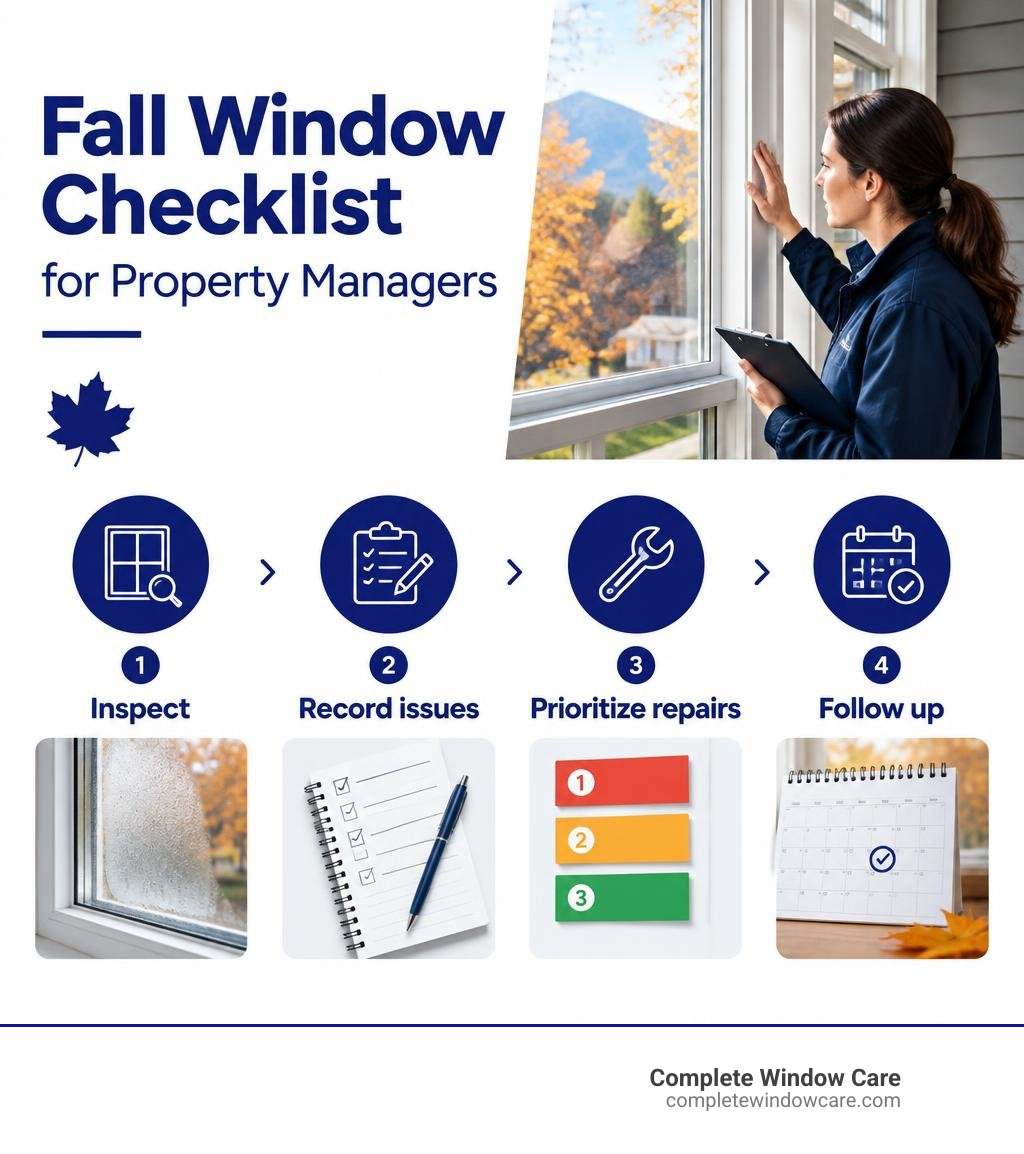
Implementing structured property evaluations safeguards real estate investments against severe weather and minimizes unexpected emergency service requests. Operators who establish systematic fall walkthroughs ensure their properties remain compliant with habitability standards while protecting monthly cash flows from avoidable structural repairs. A well-documented seasonal inspection also creates a clear record for owners, showing that routine maintenance is being handled before small issues become tenant complaints or legal liabilities.
What Property Managers Do and Why Seasonal Maintenance Matters
Managing rental real estate requires balancing daily administrative workflows, clear tenant communications, regulatory compliance, and long-term asset preservation. When autumn arrives across the Pikes Peak region, building envelopes face dramatic shifts in ambient temperature and atmospheric pressure. Preventative maintenance conducted before freezing conditions set in protects both the physical building and the annual operating budget. For rental owners, this proactive approach also reduces the likelihood of mid-winter emergency calls that disrupt tenant comfort and strain vendor relationships.

Core Responsibilities of Property Managers
A property manager serves as the direct operational steward of an owner’s real estate investment. Everyday duties include marketing vacancies, conducting tenant screenings, collecting rent, managing financial reserves, and coordinating repairs. Managers must also maintain strict compliance with Colorado habitability statutes, ensuring every unit remains safe, structurally sound, and adequately weatherproofed. In Colorado Springs, CO, that means preparing for high winds, heavy snow, and rapid temperature swings that can expose weaknesses in older windows and exterior doors.
The 2025 NMHC Top Managers list illustrates the scale at which many management companies oversee rental housing. Whether managing hundreds of multifamily units across Colorado Springs, CO, or overseeing a single-family rental, proactive seasonal maintenance helps limit unexpected capital expenses and supports resident satisfaction throughout the winter months. When homes stay warm, secure, and well maintained, tenants are more likely to report minor issues before they escalate.
Evaluating Costs and Fee Structures for Property Managers
Selecting an effective management structure requires understanding how operational costs and vendor fees are billed. Professional management companies generally structure their contracts around either a percentage of collected rent or a predictable monthly flat fee. Both approaches can work well, but they create different incentives for how quickly maintenance requests are approved and how carefully vendor bids are reviewed.
| Fee Type | Percentage-Based Model | Flat-Fee Model |
|---|---|---|
| Monthly Management Fee | 8% to 12% of gross monthly rent | Fixed monthly charge per door |
| Tenant Placement Fee | 50% to 100% of first month rent | Flat onboarding charge |
| Lease Renewal Fee | Fixed fee or small percentage | Fixed nominal rate |
| Maintenance Reserve | Escrow account per unit | Escrow account per unit |
| Setup and Onboarding | One-time initial setup fee | One-time initial setup fee |
Percentage-based arrangements align management revenue directly with rental income, encouraging full occupancy and timely rent collection. Flat-fee models provide consistent administrative costs regardless of seasonal market fluctuations. Both models rely on well-maintained reserve funds so urgent building repairs can proceed without administrative delays. When reserve accounts are underfunded, even routine window repairs can be postponed, which often leads to larger expenses later.
Budgeting for window restoration requires understanding general market variables. An average-size window typically costs between $300 and $500 for restoration or pane replacement. Specific factors like low-E glass coatings, specialized tinting, safety tempering, and architectural frame styles can noticeably impact final pricing. Securing a professional on-site evaluation ensures accurate budgeting across an entire rental portfolio, and it helps property managers avoid surprise invoices when multiple units need attention at once.
Essential Fall Window and Exterior Checklist for Rental Properties
As autumn temperatures drop across Colorado Springs, CO, chilly mountain drafts quickly expose vulnerable spots in building envelopes. Catching failed perimeter seals, deteriorated weatherstripping, and damaged framing components early prevents skyrocketing heating bills and emergency maintenance requests in sub-zero weather. A structured fall checklist should cover cracked glass, failed seals, broken window locks, torn screens, and sticking doors at every unit. Recording these conditions gives property managers a consistent way to compare units and prioritize repairs based on urgency rather than tenant complaints alone.
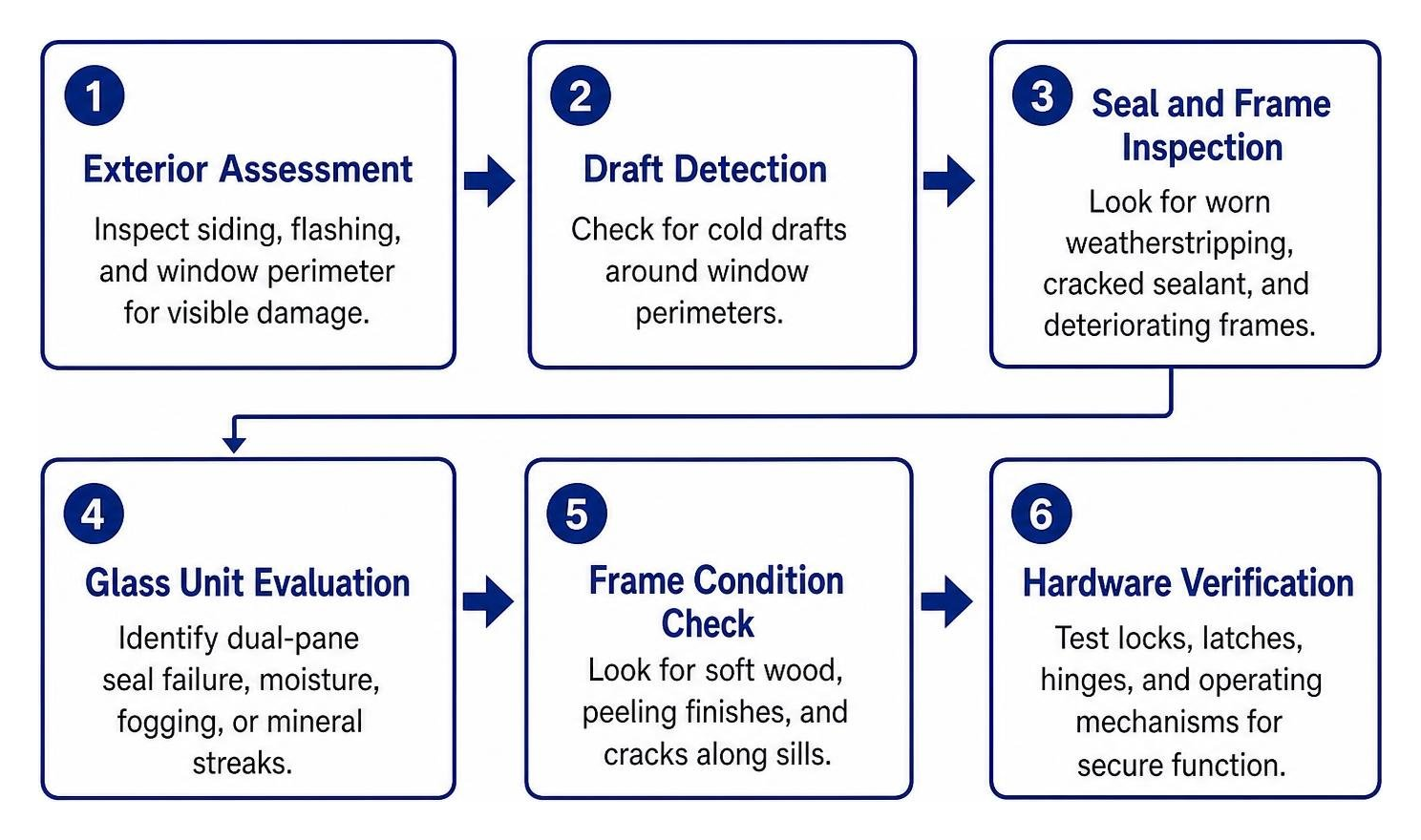
Identifying Drafts, Seal Failures, and Frame Damage
Cold air leaks around window perimeters typically point to failing caulking, compressed weatherstripping, or misaligned sills. In multi-pane insulated glass units, seal failure allows moisture to penetrate between the glass lites. This creates permanent mineral hazing, fogging, or condensation that obscures visibility and degrades thermal performance. Once that interior haze appears, it will not wipe away, and the insulating value of the window drops noticeably.
Property managers can spot key warning signs of failing windows during routine move-out or pre-winter walkthroughs. When inspections reveal softened wood sills, cracked vinyl, or chipping paint, reviewing the reasons for professional window frame repair helps landlords restore weather tightness without having to order costly complete window replacements. In many cases, a targeted frame repair or glass replacement can extend the life of an existing window by several years, which is especially valuable for rental portfolios with tight capital improvement budgets.
Repairing Damaged Screens and Prepping Storm Doors
Window screens protect living spaces from pests during warmer months, but torn mesh and bent frames degrade exterior curb appeal and allow insects indoors as temperatures cool. Inspecting mesh and scheduling prompt window screen repairs in Colorado Springs restores clean aesthetics and functionality across rental properties. Even small tears should be addressed before spring, when insects become active again and tenants begin opening windows for fresh air.
Storm doors provide an essential secondary thermal barrier against harsh Colorado winds and heavy snow. As an authorized Larson and Casco dealer, our team installs new heavy-duty storm doors and services existing units to maximize entryway protection. Testing door sweeps, oiling hinges, replacing cracked glass panels, and maintaining proper closer tension ensures exterior entrances remain tightly sealed against freezing drafts. A properly adjusted storm door also reduces condensation on the primary entry door and helps keep common hallways and entryways warmer throughout the winter.
Why Cost-Effective Glass Repair Protects Rental Cash Flow
Preserving consistent operating cash flow is fundamental to rental property profitability. Selecting targeted glass and hardware repairs instead of unnecessary full-frame tear-outs keeps operational budgets healthy while maintaining high habitability standards. For property managers overseeing multiple units, the savings from choosing glass-only repairs can quickly add up, freeing reserve funds for other seasonal maintenance priorities like gutter cleaning or HVAC servicing.
Glass Replacement vs Full Window Replacement
Full-frame replacements cause substantial disruption for tenants, damage surrounding drywall, necessitate exterior trim repainting, and carry substantial installation costs. In contrast, replacing solely the insulated glass unit within an intact sash preserves the existing frame, restores crystal-clear visibility, and delivers full energy efficiency at a fraction of the cost. This approach is particularly effective in rental properties where the original window frames are still structurally sound but the sealed glass units have failed over time.
Arranging for window glass replacement in Colorado Springs or professional window repair services allows property managers to resolve seal failures quickly. For safety, property managers should leave glass measurement, removal, and installation to trained technicians, especially when damage involves sharp edges, upper floors, or uncertain glass specifications.
Managing Leak Infiltration Before Winter Freezes
Water penetrating around window openings presents a serious threat to building structural integrity. In Colorado Springs, CO, moisture trapped behind siding or masonry expands during rapid freeze-thaw cycles, cracking stucco, rotting wooden framing, and ruining interior drywall finishes. What begins as a small drip or a faint water stain can become a major structural repair once freezing temperatures arrive and trapped moisture expands.
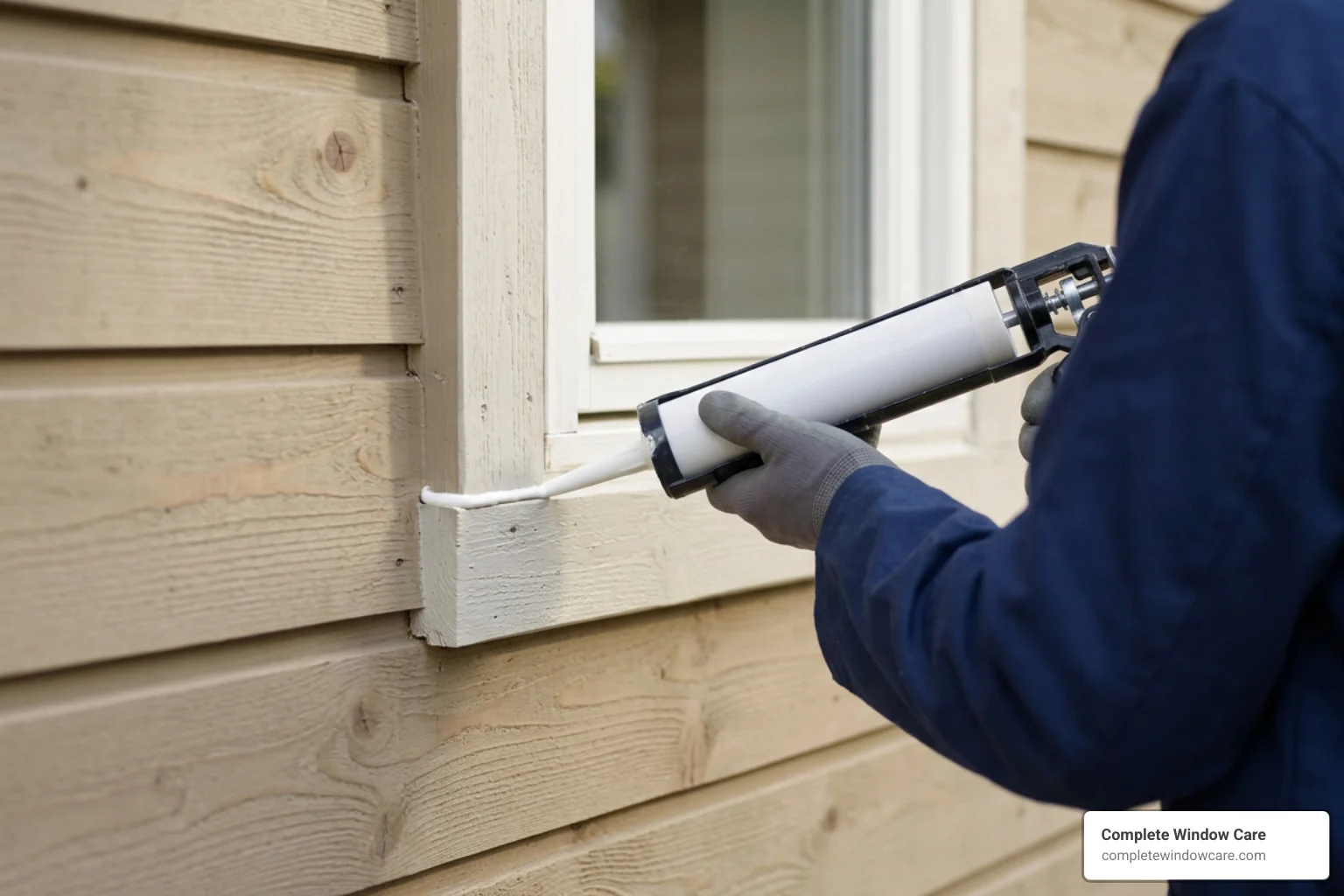
Utilizing proven techniques for exterior window leak repair stops water entry before cold weather hits. The safety risks of DIY glass repair are another reason to use trained professionals when work involves broken glass or uncertain repairs. Our company does not install warranty glass for third parties unless directly authorized and compensated by the product manufacturer or distributor. Whenever window maintenance involves multi-story ladder work, specialized glass handling, or structural framing, property operators must prioritize safety and hire licensed exterior trades. Working at height or around damaged glass is not a task for untrained staff, and professional contractors carry the insurance and equipment needed to complete the job safely.
How to Select the Right Management and Maintenance Partners
Protecting rental real estate value requires building dependable relationships with skilled local contractors, licensed management specialists, and certified trade professionals. The right partners respond quickly when emergencies arise, document their work clearly, and understand the unique demands of rental housing. For property managers in Colorado Springs, CO, that means working with vendors who know how mountain weather affects windows, doors, and exterior seals.
Comparing Individual Managers and Full-Service Management Firms
Independent property managers often deliver personalized communication and hands-on attention for smaller residential portfolios. Full-service management agencies provide broader administrative staff, dedicated leasing agents, and extensive trade vendor networks capable of servicing large multi-family communities. The best choice depends on portfolio size, owner involvement, and the level of reporting detail required.
Effective property management teams maintain structured preventative maintenance schedules, transparent accounting, and vetted contractor rosters. Treating seasonal maintenance as a planned operating expense helps avoid disruptive repairs during severe weather.
When evaluating exterior maintenance contractors and specialty glass providers, property managers should use these essential criteria:
- Extensive local experience handling Colorado mountain climate conditions.
- Verified active commercial general liability insurance and workers’ compensation coverage.
- Prompt emergency response protocols for sudden glass breakage or security issues.
- Detailed, written itemized estimates outlining labor, materials, and disposal.
- Proven customer reviews and verified references from local housing providers.
A contractor who meets all five criteria is far more likely to deliver consistent results across multiple units and respond appropriately when winter weather creates urgent repair needs.
Licensing, Certifications, and Vendor Vetting
In Colorado, real estate professionals who negotiate leases, manage rental funds, or list properties on behalf of property owners must hold an active broker license issued by the Colorado Real Estate Commission. Memberships in professional organizations such as the National Association of Residential Property Managers indicate advanced knowledge in rental property stewardship. These credentials matter because they show a commitment to ongoing education and ethical standards.
When choosing glass and exterior window technicians, selecting an established regional team guarantees adherence to safety glazing building codes, proper low-E coating specifications, and dependable long-term warranty protection for rental property owners. A qualified glass contractor will also document existing conditions before work begins, which helps property managers track maintenance history and plan future capital improvements with confidence.
Frequently Asked Questions About Property Management and Window Care
What Are Typical Management Fees in Colorado Springs, CO?
Full-service property management fees across Colorado Springs, CO, generally range from 8% to 12% of gross monthly rental income, or a flat monthly administrative fee per rental door. Additional services such as tenant placement, lease renewals, advertising, and legal compliance administration are usually billed as separate flat fees depending on the agreed contract structure.
What Are the Primary Legal Maintenance Duties for Rental Operators?
Rental housing providers must keep residential units fully habitable under state and municipal housing safety standards. Essential habitability requirements include providing reliable heating systems, weather-tight building envelopes, secure deadbolts and window locks, structurally sound walls and roofs, and operational windows that open, close, and latch properly for ventilation and emergency egress.
Should Landlords Repair Window Glass or Replace the Entire Unit?
When window frames and sashes remain structurally sound and free from rot, replacing only the insulated double-pane glass unit is far more economical than tearing out the entire window. Glass replacement eliminates internal fogging, restores thermal insulation, and eliminates drafts without disturbing interior trim, drywall, or exterior cladding.
How Do Cold Temperatures Impact Rental Windows in Fall?
Autumn temperature drops cause window frame materials, caulking, and glass to contract. This contraction widens perimeter gaps around deteriorating weatherstripping, causing noticeable drafts. Cold drafts reduce indoor comfort, increase heating expenses, and force the property HVAC system to run continuously, driving up utility bills.
What Causes Insulated Glass Units to Fog Up in Rental Units?
Double-pane insulated glass units fog up when the perimeter seal between the glass panes fails due to age, thermal expansion, or continuous sun exposure. Once the seal is breached, moisture enters the interior air gap and condenses against the glass, creating a permanent cloudy haze that cannot be wiped away.
How Often Should Property Managers Inspect Rental Windows?
Property managers should inspect all windows at least twice annually, ideally during spring and fall seasonal walkthroughs, as well as during resident move-in and move-out evaluations. Regular evaluations identify broken hardware, decaying sealant, torn screens, and failed glass seals before they develop into expensive structural water damage.
Are Property Management and Maintenance Fees Tax Deductible?
Yes, property management charges, routine maintenance costs, and professional window repair expenses incurred on income-producing rental properties are generally considered deductible operational expenses under federal and state tax codes. Rental property owners should consult their certified tax professional for individual tax planning advice.
What Should Be Included in a Fall Exterior Property Checklist?
A comprehensive fall exterior maintenance checklist includes evaluating window glass and perimeter caulking, inspecting and cleaning window screens, servicing storm door closers and sweeps, testing window sash locks, cleaning out roof gutters and downspouts, and winterizing exterior hose bibs before freezing weather arrives.
Does Damaged Window Glass Violate Rental Habitability Standards?
Yes, broken, cracked, or missing window glass poses severe safety and security risks to tenants and violates standard residential habitability codes. Damaged windows permit moisture and cold air infiltration and leave properties vulnerable to pests or intruders. Property managers must prioritize immediate glass replacement.
How Long Does an Insulated Glass Unit Replacement Take?
Once site measurements are recorded and the custom insulated glass unit is manufactured, an on-site installation by professional technicians usually takes less than an hour per window. This quick process minimizes tenant disturbance while immediately restoring property energy efficiency and security.
Conclusion
Performing thorough seasonal window inspections every fall prepares rental properties for cold winter weather, reduces tenant heating costs, and prevents structural moisture damage. By choosing targeted glass replacements, frame restorations, and new storm door upgrades, property managers can protect their long-term property values while maintaining controlled operating budgets. A consistent fall maintenance routine also builds trust with tenants, who appreciate living in units that stay warm, dry, and secure throughout the winter months.
When your rental properties need dependable service, Complete Window Care is ready to help. Contact our professional window repair technicians to discuss repairs that keep your properties energy efficient, secure, and fully habitable throughout the winter season. Our team understands the unique demands of rental housing in Colorado Springs, CO, and works quickly to minimize tenant disruption while restoring the performance of windows and doors.