
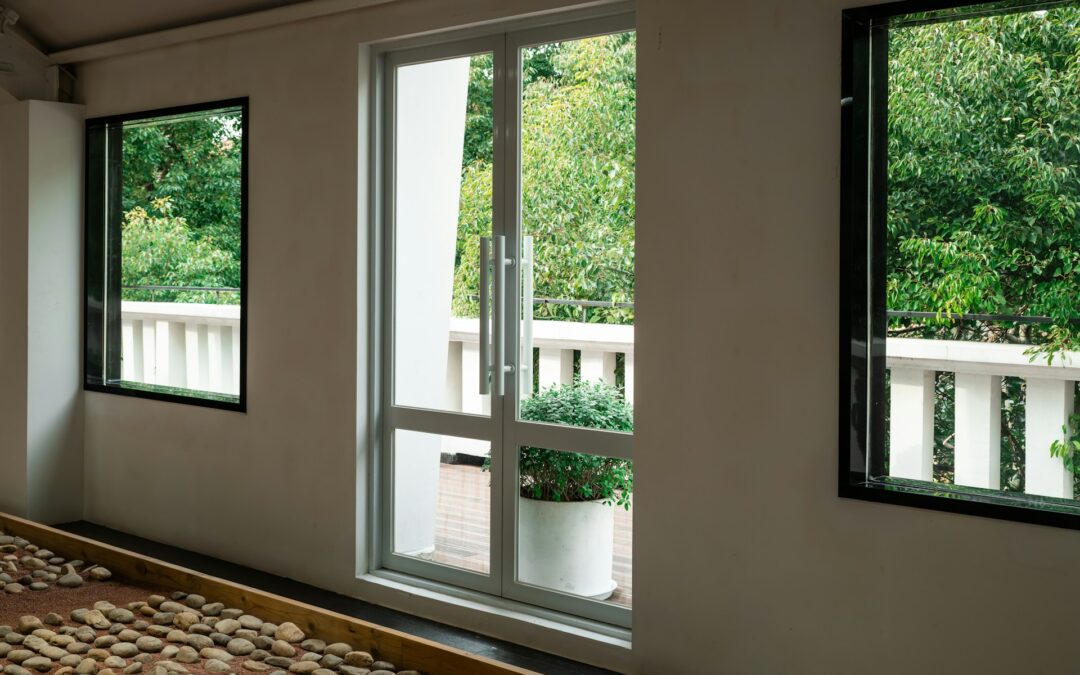
Cold weather in Colorado Springs brings more than snowdrifts and icy driveways. It also stirs up frustrating issues around the house, and sliding glass doors are often one of the first places where problems show up. Whether it’s drafts sneaking in, doors freezing shut, or glass that fogs up overnight, these are the kinds of things that can make your winter feel longer and your living room feel colder.
When sliding doors don’t open right or let in cold air, it can mess with both comfort and peace of mind. These aren’t just small annoyances. There are signs that something may need attention. Below, we’ll walk through the most common winter issues with sliding doors and help you know when it might be time to consider sliding glass door repair.
Drafts and Cold Air Leaks
Every winter, we hear from homeowners dealing with chilly drafts near their sliding doors. Cold air slipping through can usually be traced back to worn or loose weatherstripping and insulation. Over time, these seals crack, pull loose, or flatten out. Once that happens, cold air finds its way in fast, especially when the wind kicks up.
Even if your door seems closed and secure, gaps between the door and the frame might still exist. These gaps may be small, but they make a big difference. Sometimes they’re caused by a slightly warped frame or an uneven installation. Either way, the result is a colder room, higher heating bills, and a constant battle to keep things comfortable.
If you’ve started noticing cold air pooling near your door or if certain rooms stay colder than others, that could point straight to a problem with your sliding door sealing. Those little chills often show up before bigger issues take hold. It’s easy to overlook a faint draft, but over time, even a minor air leak can lead to much larger comfort concerns.
Watching for changes in how your indoor air feels can actually help catch window or door problems early, even before you see them. If you’re bundling up in certain rooms or using extra blankets, it could be a clue that air is moving through spaces where it shouldn’t. That’s why noticing little temperature changes is worth your attention. If you feel a chill along the edge of your sliding door, it might be time for a closer look or a little extra professional help.
Doors That Stick or Slide Poorly
When a sliding door starts dragging or sticks in the track, winter weather could be the reason. Ice buildup, melting snow, and even road grit brought in on shoes can work their way into the bottom track. Once the track is clogged, the door might not slide as it should.
Cold can also affect how smoothly the door wheels roll along the track. If there’s hidden damage or alignment issues, these get worse with the temperature drops. Winter tends to reveal hidden strain. In some cases, trying to force the door open could crack the glass or move the frame out of place.
If your sliding door seems harder to move than usual or if it makes scraping or grinding sounds, it’s worth checking sooner rather than later. Cold conditions can make everything seize up fast. Sometimes, you might also notice the door feels heavier or bounces in its tracks. This can be a sign that the rollers or track are in real need of attention. Also, dirt, salt, and other debris from shoes in the winter can end up in the door track, adding to the problem. Keeping a path clear of buildup gives your door a smoother glide and can make a big difference in daily use.
Frozen or Fogged-Up Glass Issues
Double-pane glass is designed to keep out the cold, but only if the seal between the panes is solid. When those seals lose their grip, moisture can sneak in between the layers. That’s when you start to see fog build up inside the glass, especially first thing in the morning.
Cold weather exaggerates these seal problems. If there’s a small crack or worn-out corner during fall, chances are it will show itself fully once the deep winter air settles in. Fogginess in your sliding door glass isn’t just unattractive, it’s usually a sign that the glass isn’t insulating like it should.
In some cases, you may even spot ice or frost forming along the bottom edge of the glass. That usually means condensation is showing up on the inside, which can lead to water pooling on the interior floor. That kind of moisture can cause flooring damage or mold if it gets ignored.
Frequent fog and moisture are clues that your sliding glass door isn’t blocking drafts or keeping the warm air in as well as it should. If the fogging is happening often or if ice shows up in the same spot a lot, the seal may have failed completely. People sometimes try to wipe it away, but if the fog sits between glass panes, no amount of cleaning will help. A setup with energy-efficient sliding glass doors can help avoid many of these issues down the line by keeping the interior temperature more stable and fighting off moisture.
Locking and Security Problems in Cold Weather
As temps bounce around during the day and drop sharply at night, the metal pieces inside your sliding door system can shift slightly. It’s common for parts like locks, latches, or strikes to stop lining up the way they did when the weather was warm.
In freezing temperatures, metal contracts. That means your door might not lock as tightly, or you may need to jiggle it a few times before the latch catches. Locks that worked perfectly all year might now feel stiff or even stuck.
These aren’t just small annoyances. If your sliding door doesn’t lock properly during winter, that can leave your home less secure. Doors that seem closed might not be fully engaged with the locking system. In some cases, this might go unnoticed until something forces the door open.
Keeping an eye on how your sliding door locks and opens, especially in the coldest months, can help you stay ahead of any surprises. Regular checks in winter, especially after a snowstorm or rapid freeze, are a great habit. Sometimes, the locking problem is something simple like a misaligned latch, but chilling weather can make these little problems turn into bigger ones fast. It’s always a good idea to watch for changes in how smoothly the lock works so you’re not caught off guard when you want to secure your home.
Weather Smart: Keep Your Sliding Door Working All Winter
Winter hits differently in Colorado Springs, and a sliding glass door that doesn’t hold up can affect everything from your indoor comfort to how easy it is to step out onto the back porch. We’ve seen how smaller issues become major headaches if they aren’t handled early.
Drafts, frozen grime in the tracks, and tired seals don’t fix themselves. The good news is they’re easy to spot once you know what to look for. Getting ahead of problems now can make the next cold front a little less frustrating and keep your home warmer and safer all season. The best way to enjoy your home all winter is to pay attention to how your doors and windows act when the weather turns cold, so small problems never become big ones.
FAQs
What causes my sliding glass door to freeze shut in winter?
Moisture collects in the track when temperatures swing, and that water can freeze fast once the sun dips. Ice in the bottom track or around the frame can trap the door closed, especially overnight.
Why is there fog between the glass panes on my sliding door?
That’s a sign the sealed unit between the layers of glass has broken. Moisture has likely made its way between the panes, and once that happens, fog builds up inside that you can’t wipe away.
Can I fix a drafty sliding glass door myself?
A small breeze might be from weatherstripping for doors and windows that’s come loose, but in many cases, it’s more than that. It’s better to let a pro check it out, especially if you’re still feeling cold air after a quick seal fix.
Why does my sliding door feel harder to open in cold weather?
Cold temps can tighten the frame and cause parts to shift. Ice in the track or stuck wheels can also make the door drag or jam. All of that is more likely in colder months.
When should I call for sliding glass door repair?
If your door sticks regularly, lets in cold air, or just doesn’t seem secure anymore, it’s probably time. Problems like those usually don’t improve on their own, especially during winter.
Don’t let winter woes keep you stuck inside with a sticking door or fogged-up glass. Trust Complete Window Care to tackle your sliding glass door issues, ensuring a warm and cozy home season after season. If your door is letting in cold drafts or showing signs of wear, it might be time for professional door glass replacement. Take action today to maintain your living space’s comfort and security.