
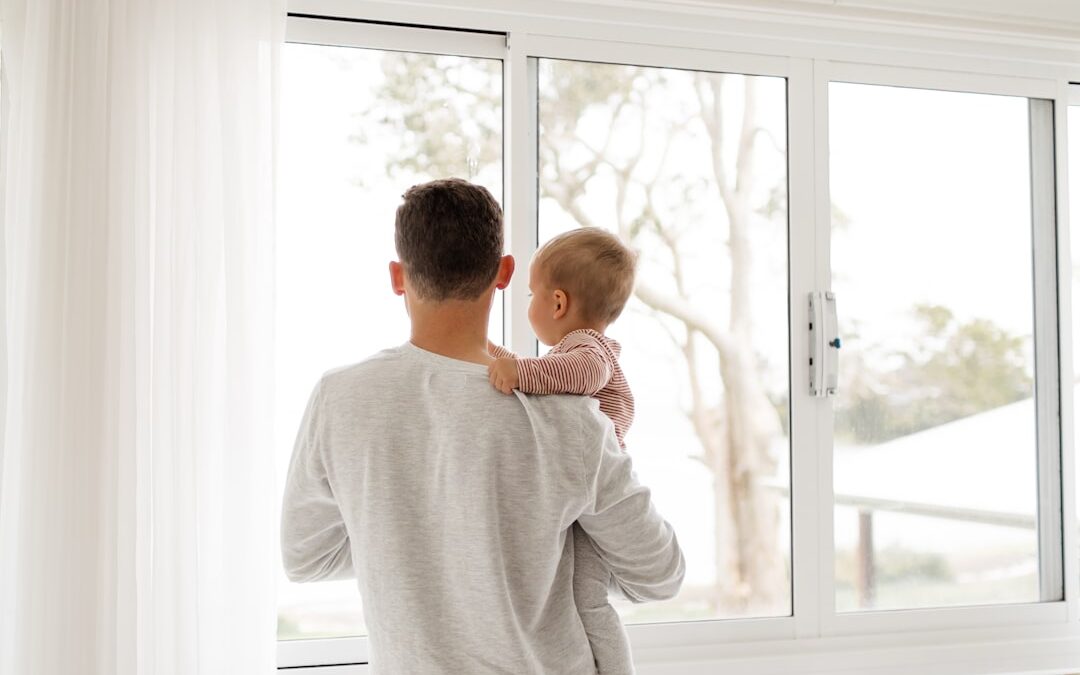
Why screen window child safety matters before you open a window
Screen window child safety means using a tested fall-prevention screen, guard, or opening limiter, not an ordinary bug screen, to keep a child from falling through an open upper-story window.
- Regular insect screens are not fall protection. They are made to keep bugs out, not hold a child’s weight.
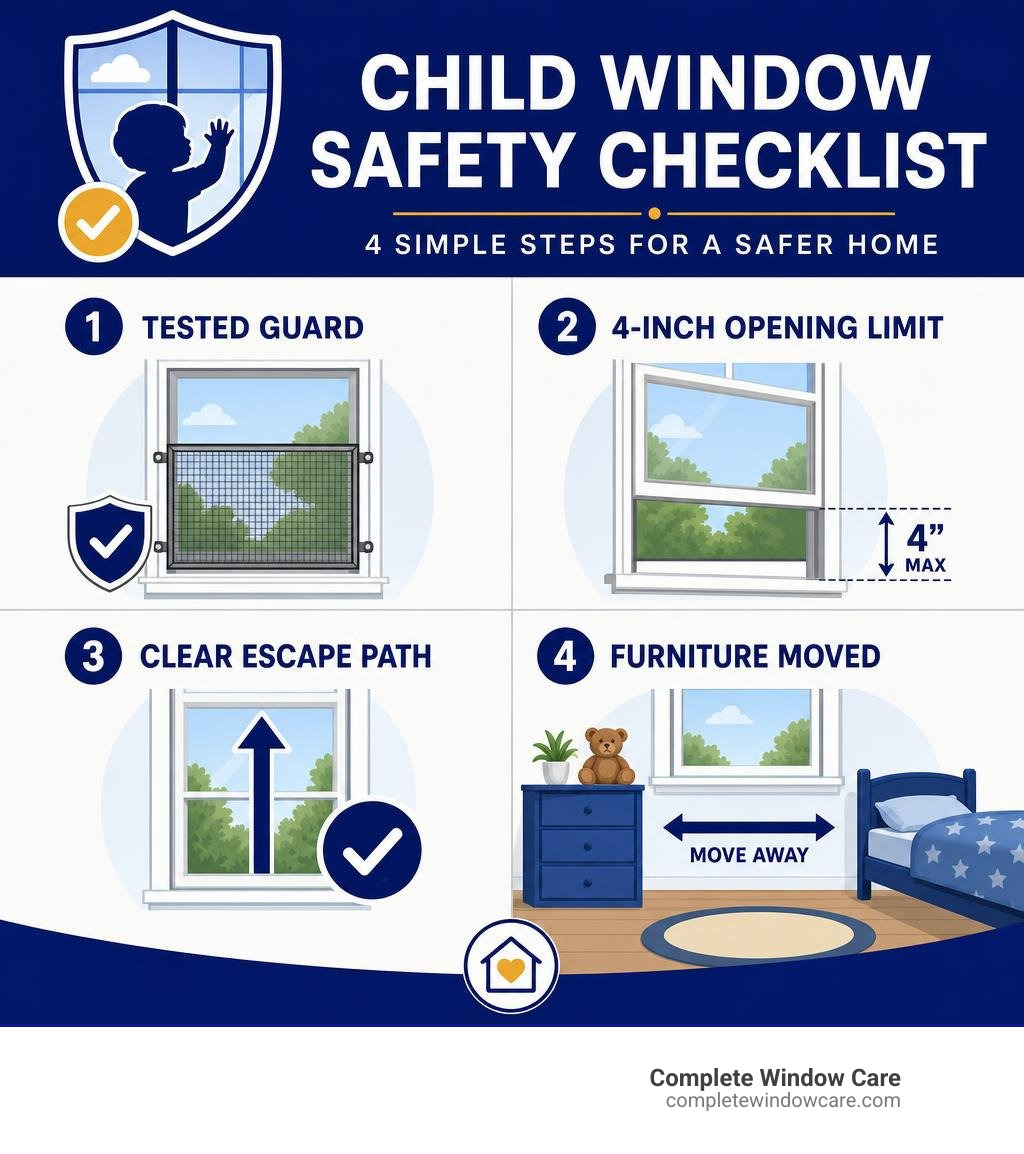
- Children under 5 face the greatest risk. Falls often happen when a child climbs on a bed, chair, or toy box near an open window.
- Look for tested protection. A certified guard or safety screen should meet ASTM F2090 requirements and preserve a safe emergency exit.
- Do not wait for a screen tear or a close call. Install fall protection before a baby can crawl or pull up, especially in upstairs bedrooms and play areas.
Window falls can cause severe injuries in seconds, and open windows are most risky during warm weather when families want fresh air. The right safety device lets you compare protection, airflow, appearance, and emergency release without mistaking a standard screen for a safety barrier.
At Complete Window Care, our experienced window and door service team helps homeowners across Colorado Springs and the Front Range assess screen window child safety concerns, damaged screens, and practical repair options before a small window issue becomes a larger hazard.
Understanding screen window child safety and fall risks
Every spring and summer in Colorado Springs, warmer weather entices us to open our windows and enjoy the fresh mountain air. However, open upper-story windows create serious safety risks for curious toddlers and young children. According to data tracked by the Consumer Product Safety Commission (CPSC) and highlighted by the National Association for Child Window Safety, approximately 15,000 children are treated in emergency rooms across the United States every year due to window falls, with 15 to 20 fatal accidents occurring in children under 11 years old.
The fundamental danger stems from a common misconception: parents often assume that standard window screens act as physical barriers. In reality, standard insect screens are manufactured exclusively to keep bugs out. Constructed from light aluminum frames and thin fiberglass mesh held in place by a rubber spline, regular window screens can pop out or tear under outward pressure. When a curious toddler climbs onto a windowsill or nearby furniture and leans against the mesh, the screen can yield, leading to catastrophic falls.
When evaluating your home’s setup, identifying damaged or loose screens is an essential starting point for child protection. The Complete Window Care team can help with practical window screen repair options when your frames, mesh, or spline need attention, while reminding you to use true structural fall barriers on upper levels.
Recognizing the top signs you need a window screen repair can also help you spot loose mesh, bent frames, or torn corners before they create comfort, pest, or safety concerns around the home.
Screen window child safety standards and ASTM F2090 compliance
To ensure your child safety barriers provide genuine structural protection, always look for products that comply with the ASTM F2090 standard specification. This rigorous standard governs window fall prevention devices equipped with emergency escape release mechanisms.
To earn ASTM F2090 certification, child window safety hardware must satisfy strict mechanical and physical engineering metrics:
- The 4-inch sphere rule: Devices must restrict window openings so that a rigid 4.0-inch (102 mm) diameter sphere cannot pass through. This benchmark prevents a young child’s torso and head from slipping through the gap.
- Static load pressure: Safety screens and structural guards must withstand a minimum continuous static load of 60 pounds of outward force, with some specialized heavy-duty safety screens engineered for higher loads.
- Pendulum impact testing: The physical assembly must withstand dynamic impact energy up to 100 foot-pounds, replicating the weight and momentum of a 50-pound child running or tumbling into the window opening from two feet away.
- Emergency egress operational force: Any quick-release mechanism designed for emergency fire escape must require no more than 15 pounds of operational force and operate without keys, tools, or special physical strength.
Comparing child safety window screens, guards, and restrictors
Choosing the ideal protective barrier for your home depends on your window styles, room layout, ventilation needs, and budget. Below is a comprehensive feature breakdown of the primary screen window child safety solutions available on the market today.
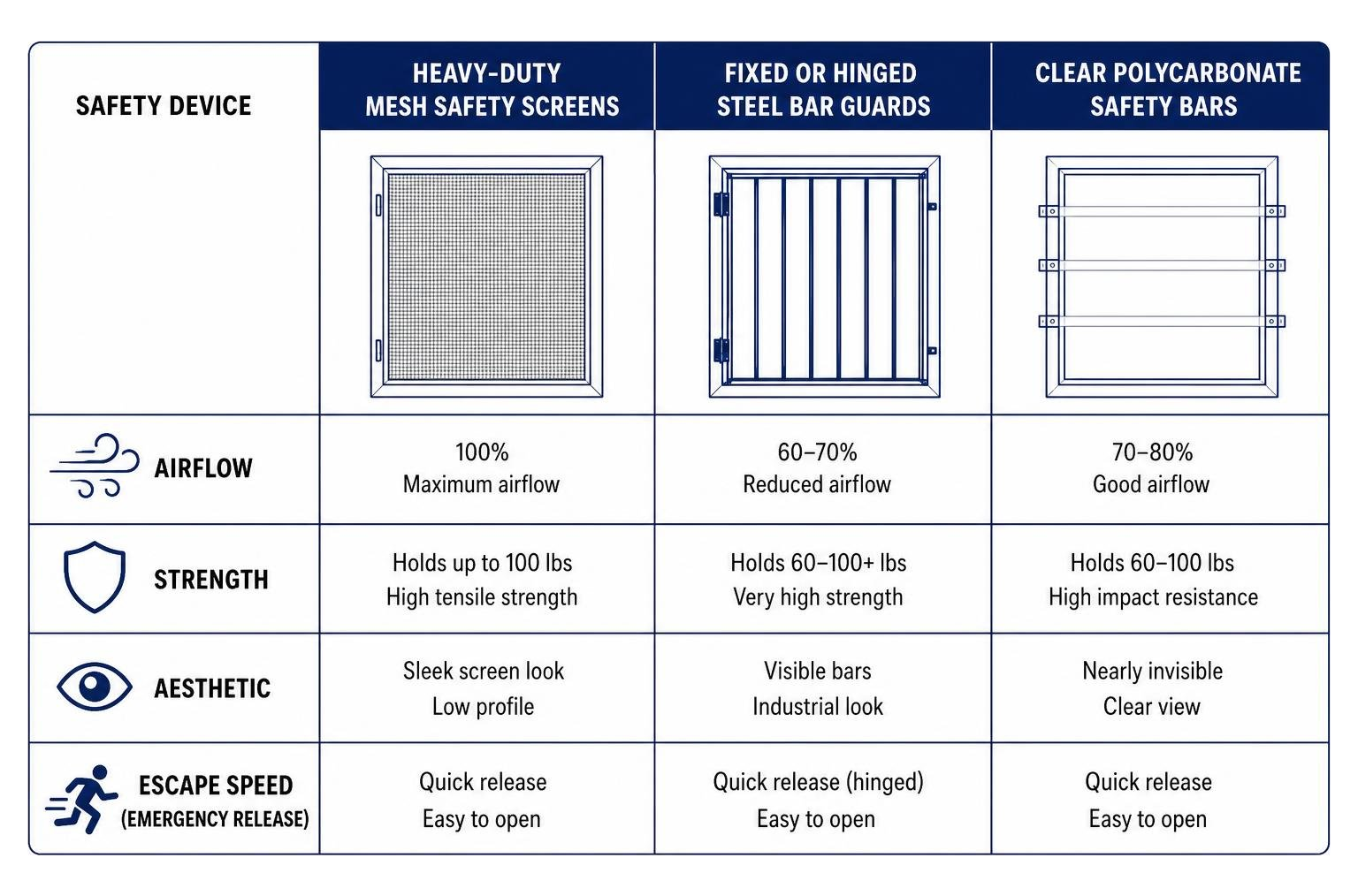
| Safety device type | Core material and construction | Opening limitation | Primary strengths | Ideal home application |
|---|---|---|---|---|
| Heavy-duty mesh safety screens | Marine-grade #304/#316 stainless steel wire mesh in 6063-T6 aluminum frames | Full sash opening preserved behind structural mesh | Retains 100% natural airflow; looks like a premium screen; holds up to 100 lbs static force | Upper-story children’s bedrooms and playrooms where full ventilation is desired |
| Fixed or hinged steel bar guards | Powder-coated steel or aluminum security bars spaced under 4 inches apart | Bars cover opening entirely; optional quick-release hinge | Extremely durable; high physical deterrence; cost-effective structural barrier | Basements, lower-level windows, or rental units with standard window dimensions |
| Clear polycarbonate safety bars | High-impact LEXAN polycarbonate transparent strips | Installed across opening spaced under 4 inches apart | Near-invisible transparent view; impact resistant; will not rust or corrode | Modern homes where unobstructed views and natural light are top priorities |
| Window opening control devices (WOCDs) | Stainless steel or heavy polymer mechanical sash limiters | Automatically restricts sash opening to under 4 inches | Highly affordable; discrete profile; easily retrofitted onto single/double-hung tracks | Standard single-hung, double-hung, and horizontal sliding vinyl or wood windows |
Evaluating cost vs. quality and durability
When selecting fall prevention hardware, balancing price against construction quality is essential. Inexpensive plastic stick-on wedges or lightweight window latches may offer temporary convenience, but they can degrade over time when exposed to UV sunlight and extreme seasonal temperature shifts in Colorado.
Investing in high-tensile stainless steel mesh housed in heavy 6063-T6 extruded aluminum framing yields superior long-term durability. While certified structural safety screens carry a higher initial investment than basic window stops, high-quality materials resist physical impacts, harsh weather, and corrosion for years. Over time, heavy-duty safety screens lower home maintenance expenses by resisting tears, pet damage, and frame warping.
Mesh guards vs. metal bars: evaluating safety, aesthetics, and usability
Historically, steel security bars were the default solution for window protection. However, traditional metal bars come with significant visual and functional drawbacks. They often lend home interiors an institutional or restrictive appearance, disrupt exterior curb appeal, and create uncomfortable shadows across living spaces.
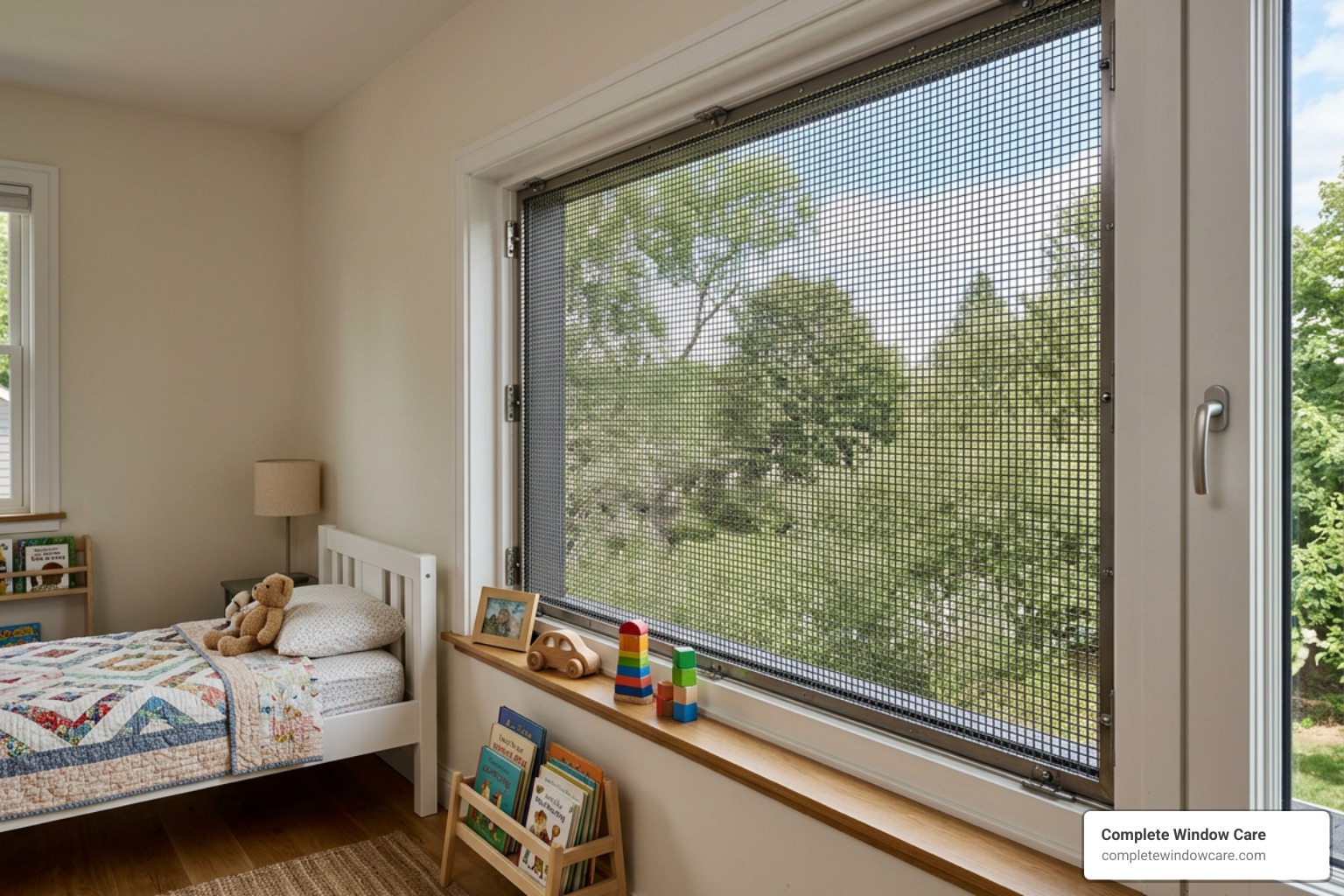
In contrast, modern structural mesh safety guards deliver identical fall protection while preserving interior aesthetic appeal. Heavy-duty stainless steel mesh blends effortlessly into existing window framing, offering crystal-clear outdoor visibility and unrestricted airflow.
Beyond child safety, upgrading to resilient mesh screens protects your window openings against outside wear and tear. If you have energetic dogs or cats that scratch at window sills, Complete Window Care can help you compare screen materials and pet-resistant screen repair solutions that withstand claws while keeping your home comfortable.
For additional maintenance context, our guide to pet-proof screens that protect your mesh explains how tougher materials can reduce repeated tears in busy family homes.
Installing screen window child safety guards across different window types
Proper installation is essential for any child fall prevention device. A safety guard is only as strong as its attachment points within the window jamb or surrounding wall framing.
Here is how installation varies by window configuration:
- Single-hung and double-hung windows: Measure the inside width and height of the lower sash opening frame. Mount structural mesh guards or vertical bar grilles directly into the side jambs using heavy-duty tamper-resistant wood screws or self-tapping steel fasteners. When installing WOCDs, attach sash stops to both vertical tracks exactly 3.75 inches above the sill to prevent the sash from opening past the 4-inch safety threshold.
- Horizontal sliding windows: For sliding sashes, install interior mesh guards across the openable side of the window frame. Ensure the mounting brackets anchor securely into structural wall studs or heavy aluminum window extrusions rather than thin vinyl trim.
- Casement windows: Outward-cranking casement windows require specialized interior safety screens or operator limiter arms that prevent the crank handle from swinging the glass panel outward past 4 inches.
If your existing window frames are aged, warped, or cracked, mounting heavy safety hardware can compromise frame integrity. A professional screen and frame inspection can confirm whether your assemblies provide solid, stable mounting support before safety hardware is added.
Key features to consider: quick-release egress and complementary locks
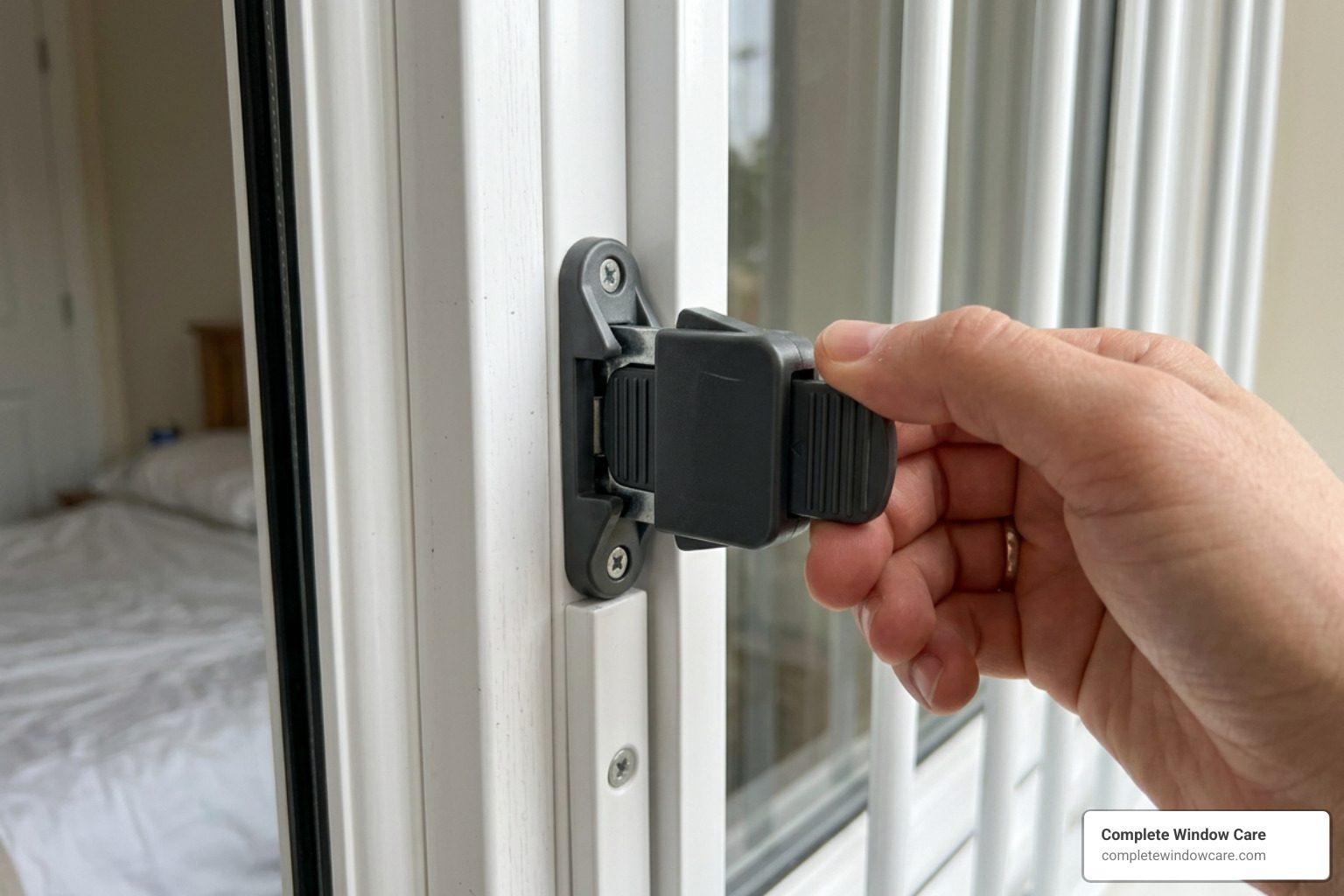
While keeping young children safely inside is your top priority, ensuring adults and older children can quickly exit during a fire emergency is equally critical. Building codes strictly regulate emergency escape and rescue openings (egress windows), particularly in upstairs bedrooms.
To meet ASTM F2090 standards, any certified window safety guard covering an emergency escape window must feature a built-in quick-release mechanism. This release hardware must satisfy specific operational criteria:
- Dual-action operation: The mechanism must require two distinct, coordinated manual movements to disengage, such as squeezing two side tabs while pushing outward. This dual-action design prevents toddlers from accidentally opening the guard during play.
- Toolless egress: The release mechanism must operate instantly without requiring keys, combination codes, screwdrivers, or special tools.
- Low operating force: Disengaging the latch must require less than 15 pounds of force, enabling older children and adults to open the guard easily in emergency situations.
- No padlocks or fixed locks: Never install padlocks, key-operated deadbolts, or permanent screw closures on emergency egress windows.
Complementary child safety hardware options
For multi-layered protection, parents can combine primary safety screens with auxiliary window locks:
- Window opening control devices (WOCDs): Factory-integrated or aftermarket latches that limit sash movement to under 4 inches but feature an easy dual-action bypass button for full window opening by adults.
- Sash locks and wedge locks: Adjustable thumb-screw locks that clamp onto vinyl or aluminum window tracks, preventing the window sash from sliding open beyond a set safe distance.
- Top-sash ventilation: On double-hung windows, lower the top sash for ventilation while keeping the bottom sash closed and locked completely out of a toddler’s reach.
Maintenance, cleaning, and age-based safety guidelines
Maintaining high-tensile mesh guards and physical safety hardware ensures long-lasting operation and reliable child protection. Airborne dust, pollen, and domestic grime can accumulate on heavy-duty wire mesh over time, reducing light clarity and ventilation performance.
Follow these simple care steps to keep your safety guards in top condition:
- Gentle cleaning routine: Wipe structural screen mesh periodically using a soft microfiber cloth dampened with mild soapy water. Avoid aggressive chemical cleaners, bleach, or stiff wire brushes, which can strip protective anti-corrosion coatings from stainless steel wire.
- Seasonal hardware audits: Inspect release latches, mounting screws, and frame hinges twice a year, in spring and autumn. Test quick-release mechanisms five times consecutively to verify smooth, unhindered operation.
- Check frame fasteners: Ensure mounting screws anchored into wooden window trim or masonry wall anchors remain tight and structural frame tracks show no signs of bending or sagging.
Age-based childproofing timeline
Child safety precautions should evolve alongside your child’s developmental milestones:
- Prenatal to 6 months (infant stage): Audit upper-story bedrooms. Plan your nursery layout so cribs, changing tables, and chairs are positioned far across the room from windows.
- 6 to 12 months (crawling and pulling up): As babies gain mobility and pull up on low furniture, install certified ASTM F2090 window guards or WOCDs on all accessible windows.
- 1 to 5 years (peak risk stage): Toddlers possess active curiosity and growing physical coordination, but lack spatial awareness of heights. Maintain functional safety guards, test quick-release latches regularly, and keep furniture clear of windows.
Frequently asked questions about child window safety
At what age should parents install window safety guards?
Parents should install window fall prevention guards before a baby begins crawling or pulling up on furniture, typically around 6 to 8 months of age. Because physical development occurs rapidly, babyproofing windows early ensures protection is active well before peak risk years, ages 1 through 5.
Do standard bug screens provide any window fall protection?
No. Standard insect screens offer zero structural fall protection. Designed solely to exclude mosquitoes and flies, standard bug screens feature thin fiberglass mesh secured by flexible rubber spline. They give way under as little as 20 pounds of pressure, creating a dangerous false sense of security for parents. Always install certified ASTM F2090 structural safety screens or opening limiters for child fall prevention.
How do emergency quick-release mechanisms work on safety guards?
Emergency quick-release mechanisms utilize intuitive, dual-action latches that disengage the guard without keys or tools. To operate, an adult or older child executes two simultaneous actions, such as depressing a release tab while pushing the guard frame outward. The system requires less than 15 pounds of operational force, allowing rapid emergency exit during fire situations while remaining difficult for toddlers to operate.
Conclusion
Preventing child window falls requires a proactive approach to home safety. By understanding the physical limitations of standard insect screens, choosing certified ASTM F2090 safety hardware, and selecting the right combination of mesh guards, window opening control devices, and quick-release latches, you can create a safe indoor environment without sacrificing natural airflow or mountain views.
If you suspect your window frames are deteriorated, or if you need professional guidance on upgrading old screens to secure, well-fitted assemblies, contact our professional screen repair technicians at Complete Window Care in Colorado Springs for expert window service, repairs, and frame solutions.