
When to Call for Window Screen Frame Service
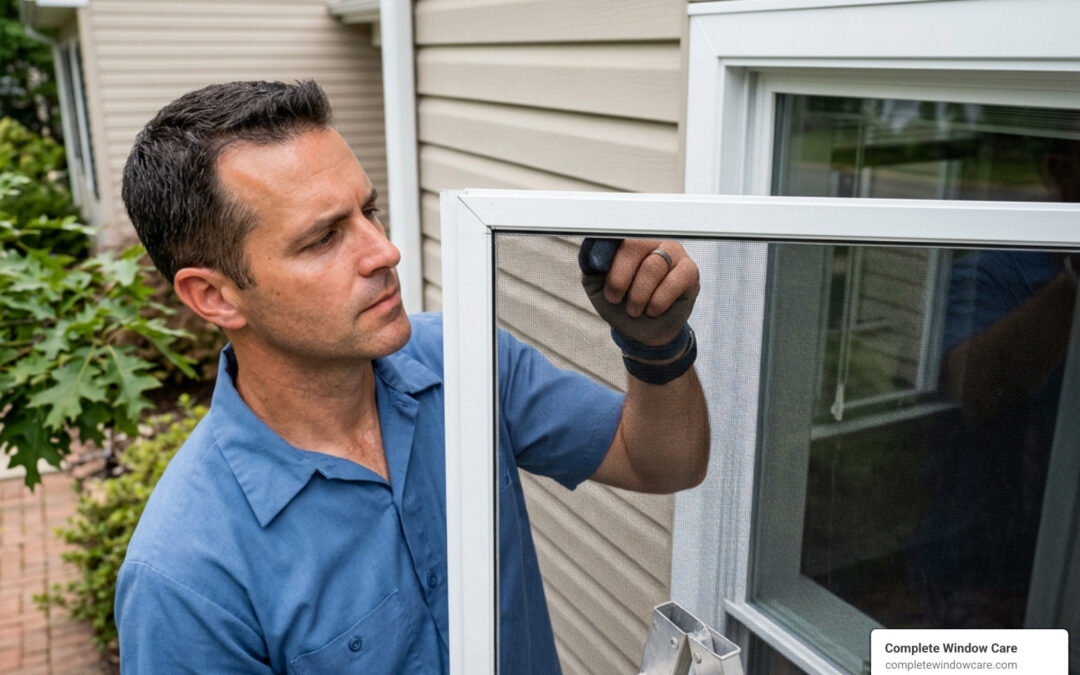
A professional window screen frame service is the right choice when your screen is bent, loose, sagging, hard to reinstall, or no longer sits flat in the window. A technician can inspect the frame, corners, spline, and mesh to determine whether a simple re-screen will solve the problem or whether a custom replacement frame will fit better and last longer.
For Colorado Springs homeowners, prompt repair matters. Intense sun, hail, wind, pets, and improper storage can damage a screen frame over time. Restoring a properly fitted screen helps keep insects out, supports fresh-air ventilation, and improves the finished look of your windows without replacing the entire window.
In many cases, torn mesh or loose spline can be repaired while the original frame stays in place. But cracked corners, severe bends, corrosion, or a frame that will not hold its shape usually call for a new custom-built frame. The goal is simple: a snug fit, smooth operation, and mesh that stays tight.
At Complete Window Care, our experienced team brings more than 18 years of hands-on window and door service knowledge to homes across Colorado Springs and the Front Range. As an AAMA InstallationMasters certified team, we bring practical diagnostic experience to every window screen frame service, helping homeowners choose sensible repairs before considering replacement.
For homeowners comparing materials, a neutral overview of how to replace or upgrade a window screen can help explain common mesh and frame options before a professional inspection.
Signs Your Window Screen Frames Need Repair or Replacement
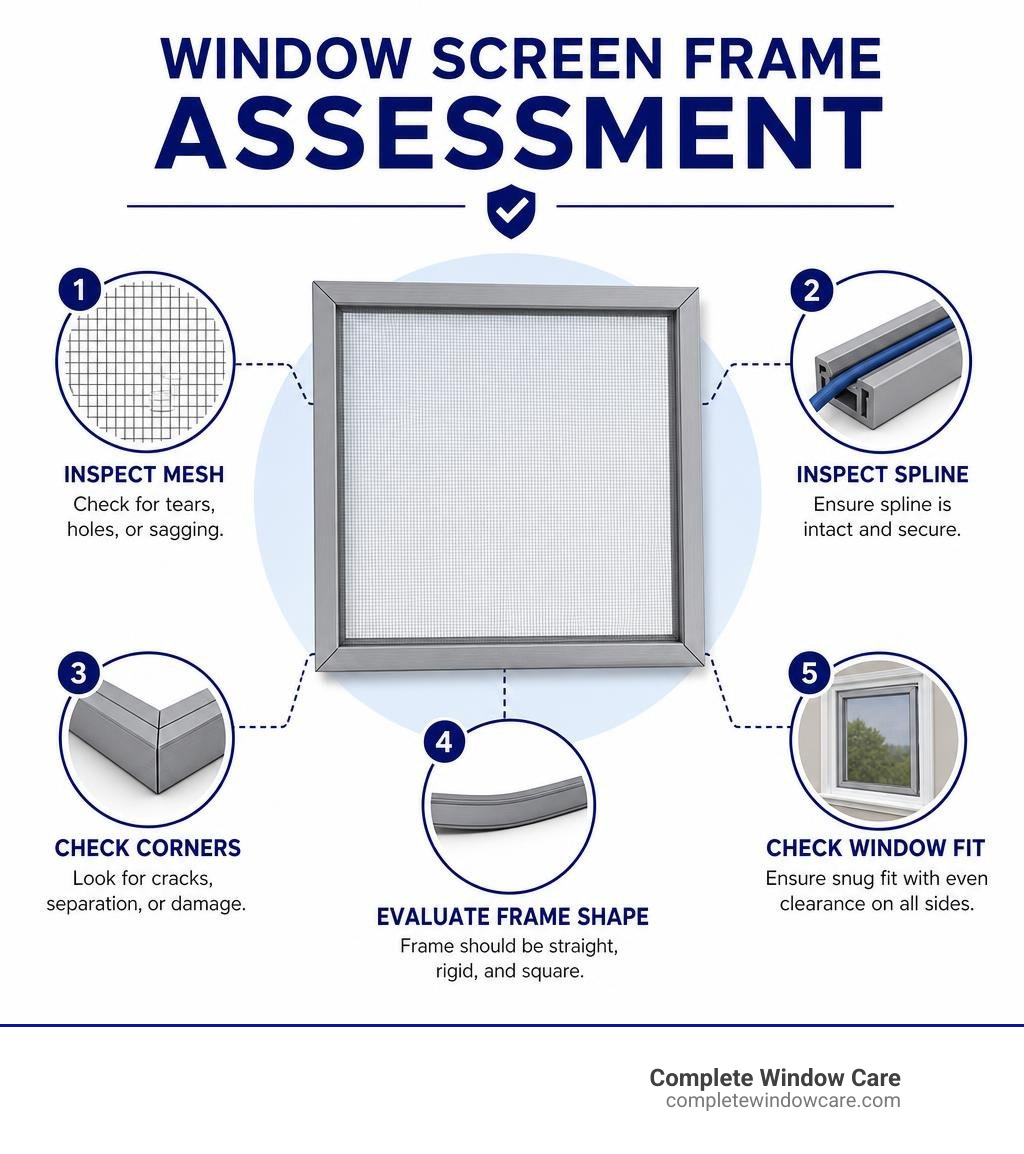
Window screen frames endure constant stress from environmental exposure, physical handling, and mechanical tension. Over time, subtle defects accumulate, eventually preventing the screen from sealing against the window jamb. Recognizing early warning signs helps you address minor issues before they lead to insect intrusion or frame failure.
Common indicators of frame degradation include:
- Structural bending: Gaps along the side tracks allow pests to bypass the mesh entirely.
- Corner cracking: Plastic corner keys degrade from UV exposure, causing joints to separate.
- Frame oxidation: Moisture and atmospheric exposure lead to pitting, chalking, and paint failure.
- Loose or brittle spline: The rubber spline holding the mesh hardens, cracks, and pops out of its retention channel.
- Mesh sagging: When frames lose structural rigidity, screen tension drops, creating an unsightly belly in the fabric.
- Seal failure: A warped frame prevents weatherstripping or tension springs from holding the assembly flush against the exterior sill.
When frames lose structural stability, home maintenance becomes frustrating. If you are weighing repair against replacement, our practical article on fixing aluminum frame screens without the headache explains how minor adjustments compare to structural overhauls.
Identifying Frame Bends, Warping, and Corner Damage
Aluminum window screen frames are engineered to be lightweight yet rigid, but thin-gauge metal remains vulnerable to physical trauma. A common cause of damage is improper removal during spring cleaning or winter storage. Pulling a frame from the center bar rather than releasing its retention springs creates an hourglass bend along the vertical rails.
Corner keys, the internal plastic or metal connectors holding mitered frame pieces together, are frequent failure points. High-altitude sunshine breaks down plastic corner keys, making them brittle. Once a corner key snaps, the frame loses diagonal tension, the miter joint pulls apart, and the screen sags diagonally across the window opening.
Screen Re-Meshing vs. Complete Frame Replacement
A common question our team hears is whether a screen can simply be rescreened or if it requires a brand-new frame. The answer depends on the structural condition of the perimeter channel.
If the aluminum framing is square, the corners are intact, and the spline channel is free of crimps, performing a re-meshing service is the most cost-effective path. The old mesh is removed, fresh screening material is installed, and new spline is matched to the channel gauge. For a closer look at this decision, our guide to repairing window screens and frames like a pro walks through when your current setup can be salvaged.
However, if the frame rails are twisted, bowed outward, or show metal fatigue, such as white stress lines or cracks in the aluminum, rescreening will fail. Applying tension during the rolling process will pull a weakened frame into an hourglass shape, preventing it from seating correctly in the window channel. In these cases, building a new custom frame is essential.
Window Screen Frame Materials and Custom Sizing
Choosing the right screen frame material ensures long-term performance, aesthetic appeal, and proper fitment within your window system. Most residential applications use roll-formed aluminum, extruded aluminum, wood, or vinyl framing.
| Frame Material | Rigidity & Strength | Corrosion Resistance | Best Application | Maintenance Level |
|---|---|---|---|---|
| Roll-formed aluminum | Moderate | High | Standard residential windows | Very low |
| Extruded aluminum | Very high | Maximum | Oversized units, patio doors, high-wind zones | Very low |
| Wood framing | High when maintained | Moderate, rot-prone | Historic homes, architectural restorations | High, requires paint or stain |
| Vinyl or composite | Moderate | High | Specialty vinyl window systems | Low |
For homeowners managing traditional millwork, our wood-frame screen replacement guide explains how wooden retention stops and traditional fastener methods differ from modern aluminum spline channels.
Aluminum, Wood, and Vinyl Frame Durability
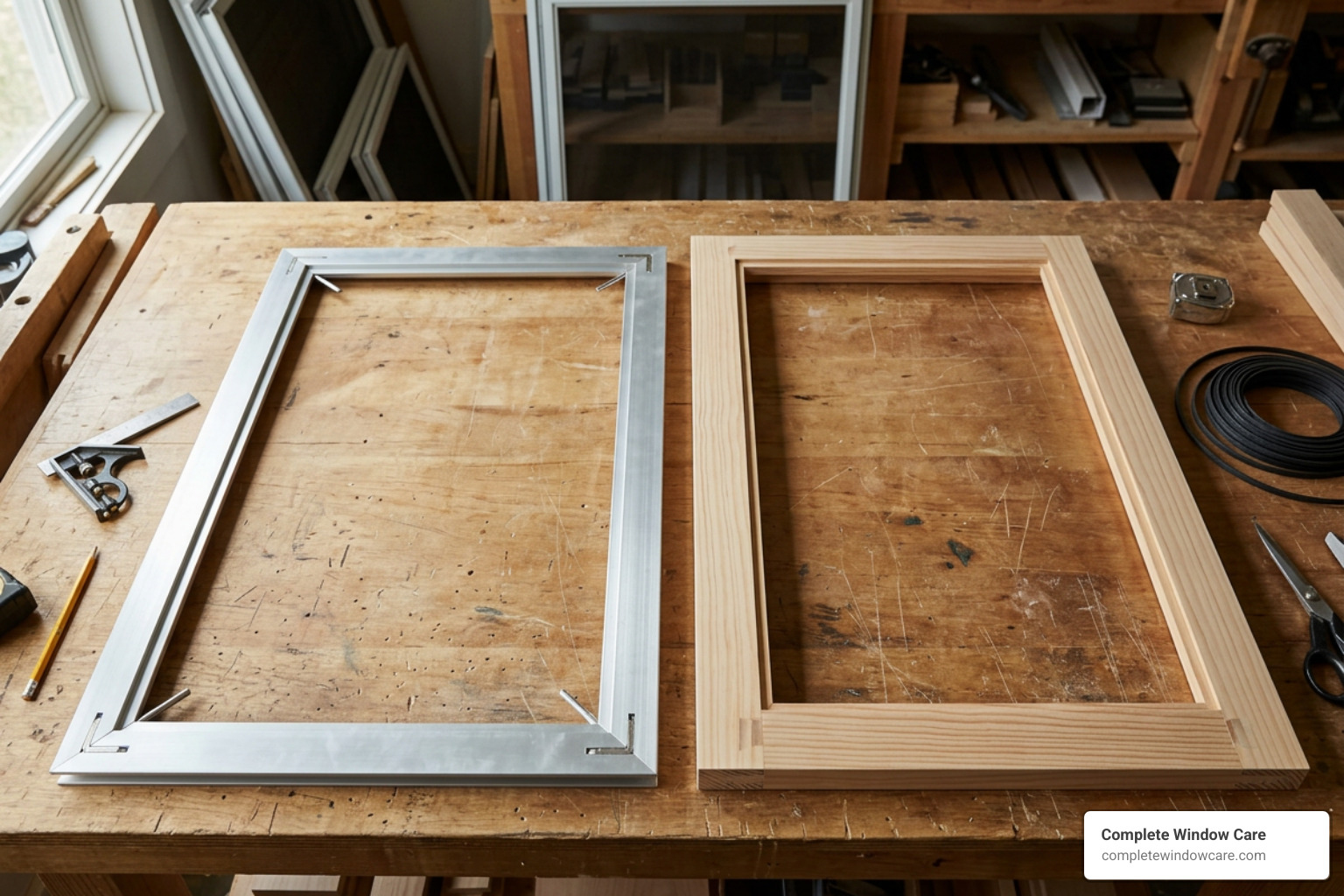
Roll-formed aluminum is the industry standard for modern homes. Created by shaping flat aluminum coils into structured rectangular profiles, it offers an optimal balance of lightweight handling and rust-free durability.
Extruded aluminum, manufactured by forcing heated metal through specialized dies, produces a thicker wall gauge. This profile is ideal for large patio screens, high-traffic entryways, or areas subjected to persistent mountain winds. While wood provides architectural character for historic properties, it requires ongoing sealing to prevent moisture absorption and warping. Vinyl framing matches specific window brands but can become brittle under extreme temperature swings.
How Custom Window Screen Frame Service Protects Non-Standard Windows
Older homes, custom architectural builds, and European window designs rarely accommodate standard off-the-shelf screen sizes found at hardware stores. Factory tolerances require screen frames to be built within a strict 1/16-inch tolerance to ensure the frame stays secure without rattling or binding.
Custom fabrication allows technicians to configure specialized retention hardware tailored to your specific window style:
- Tension springs: Heat-treated steel leaf springs installed on the top or sides to keep the frame locked within the window track.
- Lip frames: L-shaped profiles designed to sit flush against the exterior casing of specialized casement windows.
- Standoff wickets: Hinged access doors built directly into the screen frame, allowing homeowners to reach through and operate window cranks or security latches.
- Pull tabs and plungers: Integrated nylon or aluminum hardware designed for effortless removal without bending the frame rails.
When a frame is too damaged or too unusual for a standard repair, Complete Window Care can build custom screen repair and replacement solutions that match the window opening instead of forcing an off-the-shelf fit.
Mesh Upgrades and Specialty Options for Custom Frames
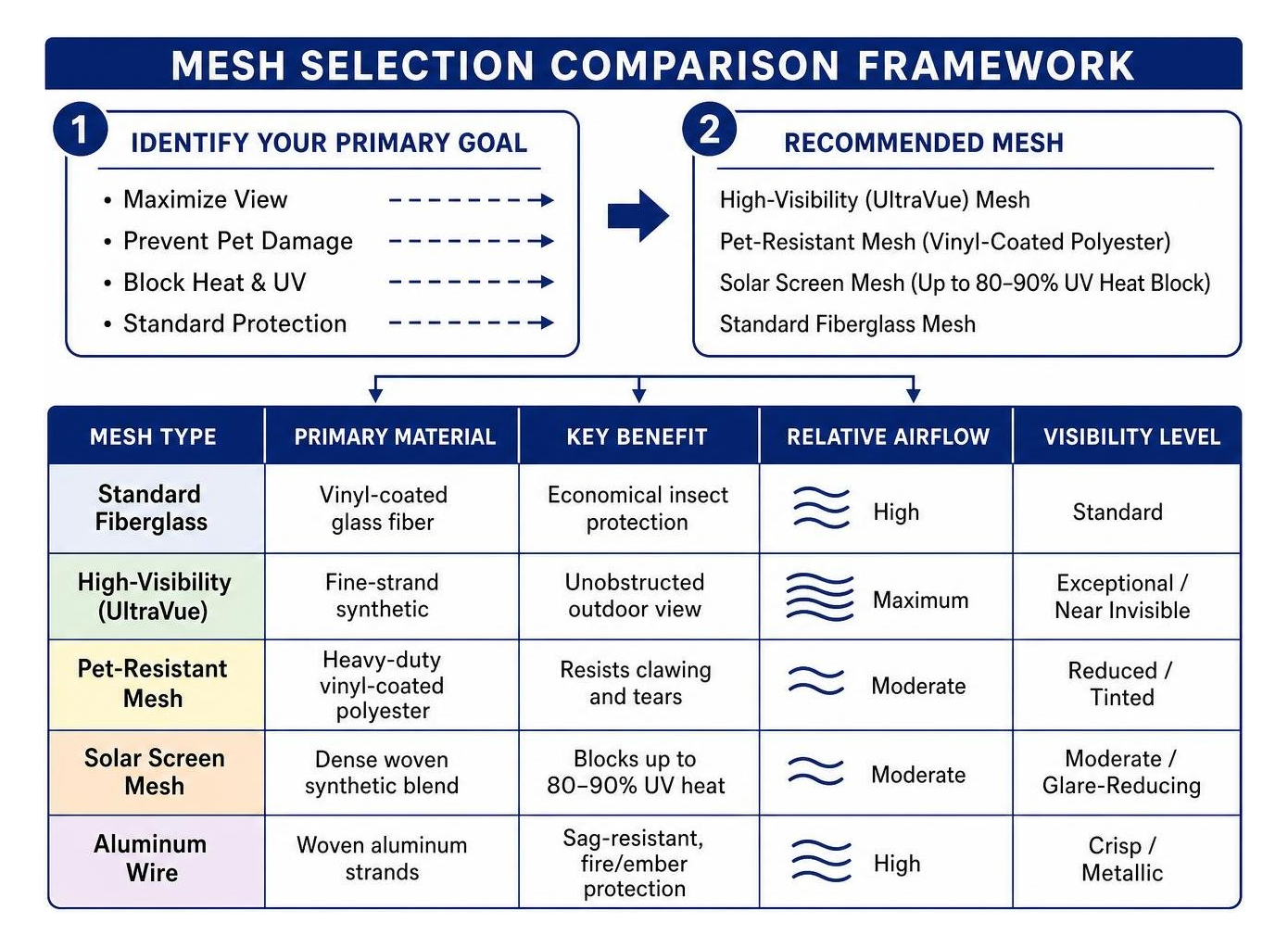
Custom screen frames can be paired with high-performance mesh options tailored to your household’s lifestyle and microclimate.
| Mesh Type | Primary Material | Key Benefit | Relative Airflow | Visibility Level |
|---|---|---|---|---|
| Standard fiberglass | Vinyl-coated glass fiber | Economical insect protection | High | Standard |
| High-visibility mesh | Fine-strand synthetic | Unobstructed outdoor view | Maximum | Exceptional, near invisible |
| Pet-resistant mesh | Heavy-duty vinyl-coated polyester | Resists clawing and tears | Moderate | Reduced, tinted |
| Solar screen mesh | Dense woven synthetic blend | Blocks up to 80 to 90 percent UV heat | Moderate | Moderate, glare-reducing |
| Aluminum wire | Woven aluminum strands | Sag-resistant, fire or ember protection | High | Crisp, metallic |
Standard Fiberglass vs. High-Durability Pet and Solar Mesh
Standard fiberglass mesh is lightweight, flexible, and cost-effective, making it suitable for general residential insect protection. However, active pets or strong winds can compromise standard fiberglass fabric.
Heavy-duty pet mesh is engineered from vinyl-coated polyester, offering up to seven times the tear resistance of standard fiberglass. It withstands scratching from dogs and climbing cats without tearing or stretching out of shape.
Solar screen mesh functions like sunglasses for your home, absorbing and dissipating solar heat before it reaches the window glass. This helps lower indoor temperatures on sun-drenched west-facing rooms and protects interior flooring from UV fading. When installing heavy-duty or solar mesh, our team uses a spline that is one size smaller than standard to compensate for the thicker mesh profile without warping the frame channel.
Specialized Profiles for European Tilt-and-Turn and Sliding Units
Tilt-and-turn windows, often referred to as German or European-style windows, operate with dual-action inward swinging hinges. These systems require specialized screen profiles that mount flush without interfering with the internal sash operation. Measuring these units requires measuring the clear opening excluding the frame lip, ensuring the screen remains stationary when the sash tilts inward.
Similarly, large sliding patio doors require rigid, heavy-gauge extruded frames combined with heavy-duty roller hardware. If your sliding screens are sticking, jumping track, or showing frame flex, a focused sliding door rescreening service can restore effortless gliding performance.
Why Invest in a Professional Window Screen Frame Service?
While DIY screen kits exist, fabricating custom window screen frames requires precision equipment, square assembly tables, and professional-grade spline rollers to achieve uniform drum-tight tension.
Professional on-site screen services bring a mobile fabrication workshop directly to your driveway. Instead of attempting to transport fragile, oversized screen frames in a personal vehicle, which frequently results in bent rails before you even reach home, technicians build, fit, and install screens on-site in a single appointment.
What to Expect During an On-Site Window Screen Frame Service Visit
During an on-site service visit, the process follows a structured workflow:
- Diagnostic inspection: The technician evaluates every window opening, inspecting tracking channels, sills, and existing frame integrity.
- Precision measurement: Openings are measured to a strict 1/16-inch tolerance, calculating necessary deductions for corner keys and retention springs.
- Mobile fabrication: Heavy-gauge aluminum framing is cut to exact dimensions using professional miter saws. Corner keys, retention springs, and lift tabs are assembled.
- Tensioned splining: Mesh is secured into the frame channels using specialized rolling tools that prevent frame hourglassing.
- Installation and fit testing: Each finished screen is installed and tested for seamless operation and a tight insect seal.
DIY vs. Mobile Professional Screen Service and Cost Factors
Attempting a DIY screen build often leads to unexpected complications. Without specialized corner clamps, cutting aluminum frame pieces with a hand hacksaw can produce uneven miter joints. Furthermore, rolling spline without proper tension control often bows the center rails inward, leaving side gaps that welcome insects.
Professional service eliminates the trial-and-error costs of wasted spline, ruined mesh, and miscut metal. Additionally, addressing all household screens during a single visit allows you to take advantage of whole-house volume efficiencies while securing professional installation warranties.
Best Practices for Maintaining Window Screen Frames
Proper seasonal maintenance preserves frame geometry, keeps spline flexible, and extends the overall life of your window screens.
- Perform seasonal cleaning: Wash frames and mesh twice annually using lukewarm water, mild dish soap, and a soft-bristle brush. Avoid high-pressure garden nozzles, which can dislodge the spline.
- Remove screens from the bottom up: When taking screens down, push upward against the top-tension springs to clear the bottom lip, then gently swing the base outward. Never pull forcefully from the center crossbar.
- Store frames vertically: Store screens indoors during winter months standing on edge in a dry, low-traffic area like a utility room or closet. Stacking heavy objects on top of flat-lying screens will bend the frames.
- Lubricate tension springs: Apply a light silicone spray to steel leaf springs and plunger pins once a year to prevent rust and ensure smooth operation.
- Inspect spline channels: Check the perimeter spline annually. If you notice a section beginning to lift, gently press it back into place before mesh tension is compromised.
Frequently Asked Questions About Screen Frame Services
Can a bent aluminum screen frame be repaired or must it be replaced?
If an aluminum frame rail is lightly bowed, a technician may be able to straighten it on a flat work table. However, if the metal has creased, crimped, or cracked, its structural integrity is permanently compromised. Attempting to bend creased aluminum back into place weakens the metal along the stress line, making it impossible to hold proper spline tension. In those circumstances, replacing the damaged rail or rebuilding the entire frame is the most reliable solution.
How long does a typical on-site screen repair service visit take?
A professional mobile service can re-screen an existing standard frame in approximately 10 to 15 minutes. Custom-building a new aluminum frame from scratch on-site typically takes 20 to 30 minutes per window. Most whole-house screen restorations (involving 10 to 20 screens) are fully completed within a single morning or afternoon visit.
How do you accurately measure a window for a custom replacement screen frame?
To measure an existing, properly fitting screen, measure from outside edge to outside edge across both the width and height at two points to check for squareness, recording dimensions to the nearest 1/16 inch.
When building a new frame from scratch, measure the window frame’s screen pocket channel depth and subtract 1-1/2 inches from the overall width and height to accommodate standard external corner keys. If top-tension leaf springs are utilized, an additional 1/8-inch deduction is taken from the vertical rails to allow the spring mechanism to compress smoothly into the upper channel.
Conclusion
Well-built window screen frames do more than simply hold mesh. They safeguard indoor air quality, keep pests outside, and enhance your home’s curb appeal. Whether your property features historic wood frames, modern vinyl sashes, or custom architectural dimensions, investing in quality frame repair and precision fabrication ensures your home enjoys optimal airflow for years to come.
If you are dealing with warped rails, torn mesh, or missing frames across the Pikes Peak Region, contact our professional window screen frame technicians at Complete Window Care for long-lasting, custom-fitted solutions.