
Window Repair or Replacement in Monument, CO?
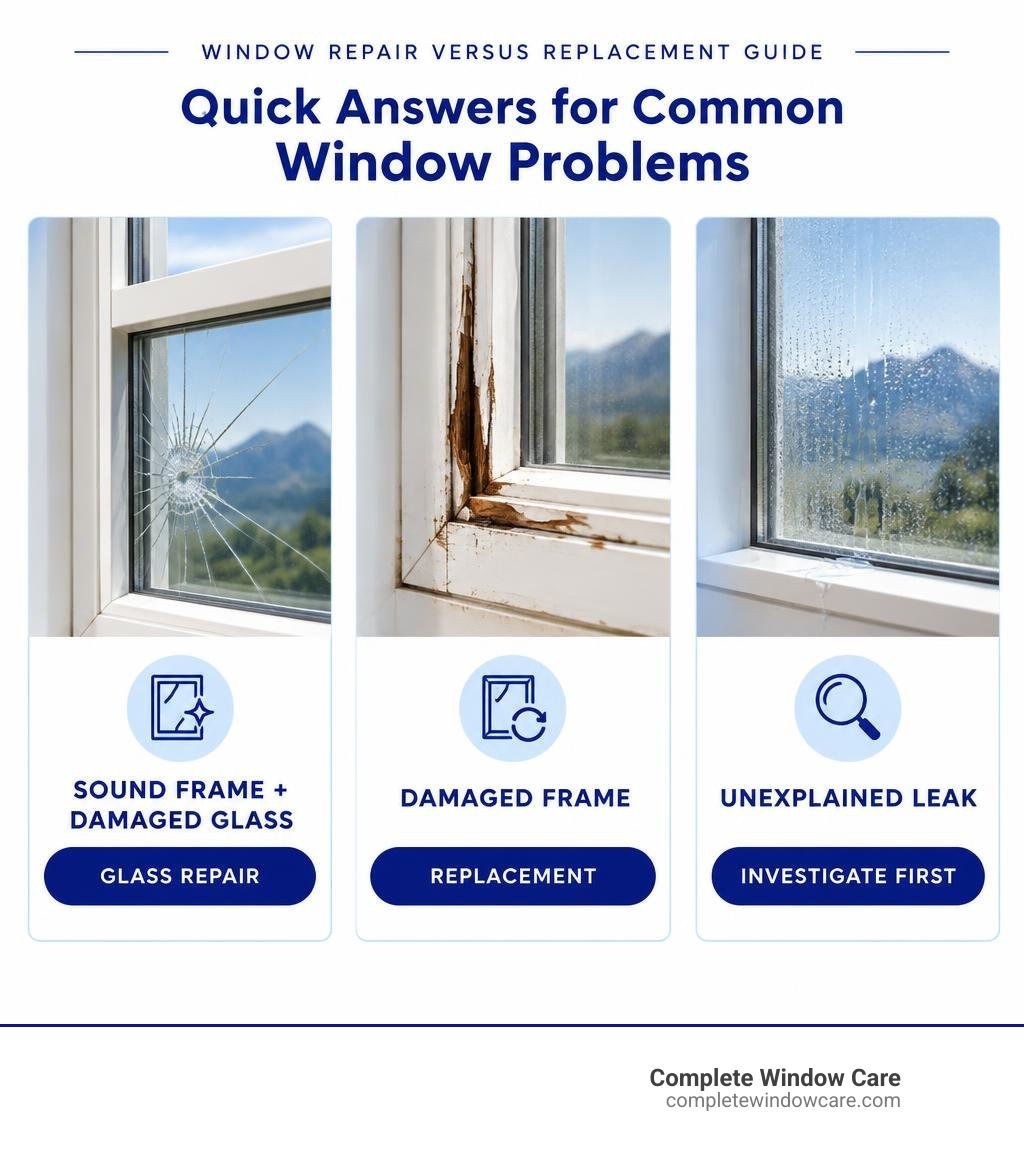
Window replacement makes sense when a frame is badly rotted, warped, or too damaged to keep water out. If the frame is sound and the problem is limited to cracked glass or fog between panes, a one-window glass repair or replacement may be enough. You do not necessarily need to replace every window in the home when the issue is isolated to one opening. For a draft or leak, find its source before deciding whether the window needs to go.
The Complete Window Care team brings more than 18 years of hands-on window and door service experience to each assessment. While window replacement is part of the work, the team also identifies repairs that can keep a sound window in place.
Identifying When to Repair vs. Replace Windows
Living along the Front Range means our homes endure intense sun, sudden cold snaps, and relentless mountain winds. Over time, these environmental shifts test every component of your home envelope. Homeowners frequently ask whether a drafty or fogged unit requires an expensive tear-out or if a targeted repair will resolve the problem.
To determine the right path, we begin with a comprehensive diagnostic assessment. Drafts often stem from deteriorated weatherstripping or settled sash balances rather than a failed frame. Condensation inside the house usually indicates high indoor humidity, whereas moisture trapped permanently between the two glass panes signals that the perimeter seal has failed. When dealing with sudden impacts or stress fractures, these steps for handling broken window panes explain the immediate safety measures homeowners should take.
Before deciding to tear out an entire fixture, compare glass restoration with retrofit inserts and complete structural tear-outs. Homeowners with isolated pane damage can turn to reliable window repair services to assess whether targeted glass work can preserve the existing frame.
| Solution Type | Primary Scope | Typical Labor Duration | Best Suited For |
|---|---|---|---|
| Glass-Only Repair | Swapping broken glass or failed insulated units | 1 to 2 hours per opening | Structurally sound frames with fogged or cracked panes |
| Insert Replacement | Installing a new self-contained window into existing jambs | 2 to 4 hours per opening | Good exterior frames requiring updated operational sashes |
| Full-Frame Replacement | Stripping unit to the rough opening studs | 4 to 8 hours per opening | Deep sill rot, frame distortion, or major sizing alterations |
When Glass-Only Replacement Is Sufficient
If your window sash slides smoothly, locks securely, and shows no decay, replacing the entire frame is unnecessary. In most residential settings, the frame outlasts the sealed insulated glass unit (IGU). When the thermal seal around double-pane glass breaks, the insulating argon gas escapes and moist air fills the gap, resulting in hazy condensation that cannot be wiped away.
Choosing insulated glass replacement restores clear views and thermal performance at a fraction of the cost of total reconstruction. This approach preserves your existing interior casing, custom paint, and exterior siding. If you want to maintain your architectural woodwork without overspending, the team’s window repair services can address failed glass while keeping original structures intact.
Signs of Severe Structural Frame Damage
There are specific instances where repair is no longer viable. Severe structural damage compromises home security and energy efficiency, allowing water to penetrate wall cavities.
You should consider total replacement when you encounter:
- Deep wood rot: Soft, spongy sills or jambs that crumble under light pressure from a screwdriver.
- Out-of-square framing: Major structural shifting that pinches sashes, preventing them from opening or closing securely.
- Hidden water intrusion: Persistent moisture pooling behind drywall or siding around the window perimeter.
- Missing or damaged flashing: Improperly detailed exterior barriers that route wind-driven rain directly into framing studs.
Window Replacement Methods: Insert vs. Full-Frame
When new units are necessary, homeowners must choose between two distinct installation approaches: insert replacement and full-frame replacement.
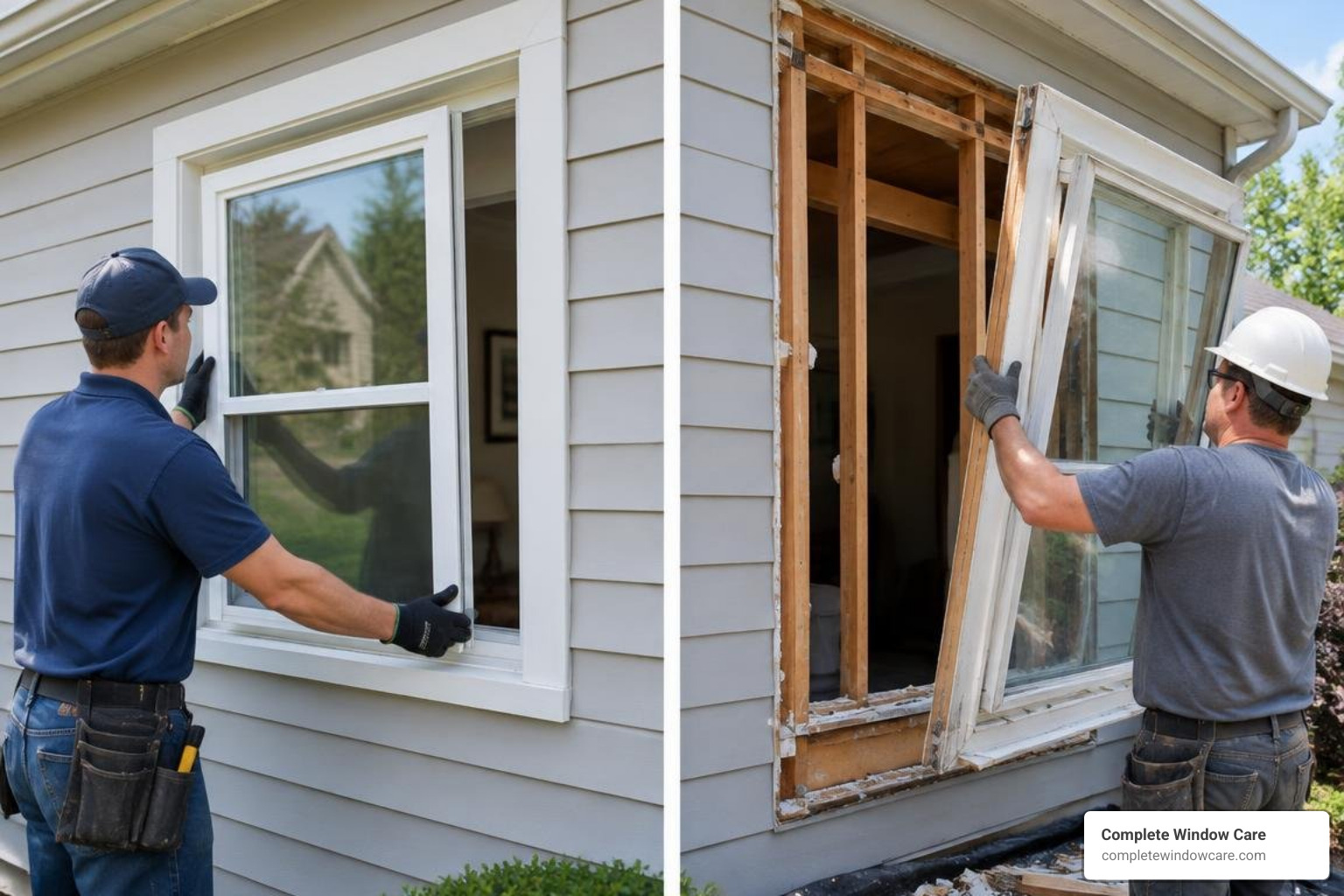
Deciding between these methods depends on the physical condition of your existing frame and whether you plan to alter your trim or exterior siding.
When to Choose Insert Window Replacement
Insert window replacement, often called pocket replacement, is the most common residential retrofit. During this process, the interior and exterior trim, siding, and master frame remain undisturbed. Technicians remove only the old sashes, balance hardware, and interior stop beads.
A brand-new, fully assembled window slides directly into the existing pocket. This method is fast, clean, and minimizes disruptions to your interior living spaces. It delivers updated thermal glass and fresh operational hardware while avoiding the expense of replacing exterior cladding or interior drywall. For additional context on common repair choices, see this overview of local window repair options.
Full-Frame Replacement and Code Requirements
Full-frame replacement requires removing everything down to the rough structural timber opening. The sashes, master frame, sill, interior trim, and exterior brickmould are stripped away to reveal the bare wall studs.
This complete teardown is necessary if the existing wood has rotted or if water has breached the perimeter envelope. It is also required when remodeling projects change the overall dimensions of the opening. Full-frame installations expose the rough opening, allowing technicians to apply new self-adhering sill pan flashing and perimeter moisture barriers.
Full-frame projects also help ensure compliance with regional building codes, particularly regarding emergency escape and rescue openings (egress windows) in lower-level living areas and bedrooms.

Window Replacement Costs and Frame Materials
Upgrading windows directly affects your indoor comfort and heating and cooling expenses. Modern energy-efficient frames reduce the workload on your heating system and your home AC during hot summer afternoons. Choosing appropriate materials can help reduce repeated maintenance cycles.
Key Materials Used in Modern Window Replacement
Every frame material offers distinct trade-offs between aesthetic appeal, maintenance demands, and structural rigidity:
- Vinyl: A widely used, low-maintenance option that provides excellent multi-chambered thermal insulation without requiring routine painting.
- Wood: The classic choice for traditional architecture. Wood offers unmatched character and natural insulating properties, though exterior faces require regular sealing or aluminum cladding to withstand harsh high-altitude weather. For vintage casings, reviewing techniques for replacing a window pane in a wood frame can help preserve existing materials.
- Fiberglass: Extremely rigid and dimensionally stable, fiberglass expands and contracts at nearly the same rate as glass, preventing seal stress during abrupt temperature swings.
- Aluminum: Lightweight and structurally strong for large architectural spans, though it requires thermal breaks to prevent heat loss in cold climates.
- Composites: Blended wood-fiber and thermoplastic frames that combine the warmth of timber with the rot resistance of polymer resins.
Cost Factors and Federal Tax Credits
Average-size windows typically cost between $300 and $500, with factors such as low-E coatings, tint, safety tempering, and frame styles significantly impacting the final cost. Custom geometric shapes, elevated ladder access, and exterior trim reconstruction will also adjust project totals. We always recommend securing a comprehensive, on-site professional estimate rather than relying on rough telephone estimates.
Homeowners investing in certified energy-saving upgrades can also take advantage of financial incentives. Under the federal Inflation Reduction Act, eligible energy-efficient window upgrades qualify for a 30 percent tax credit up to a standard annual limit of $600. Selecting units that meet high thermal performance standards helps lower utility bills while delivering direct tax relief.
DIY Installation Steps and Measuring Best Practices
Replacing an insert window can be an achievable project for skilled homeowners with basic carpentry experience. However, working with glass carries safety risks. If structural adjustments are needed, specialized safety equipment is required, or you are uncomfortable working on ladders, we strongly advise scheduling a professional team. Please note that our team does not install warranty glass for third parties unless paid directly by the manufacturer or distributor.
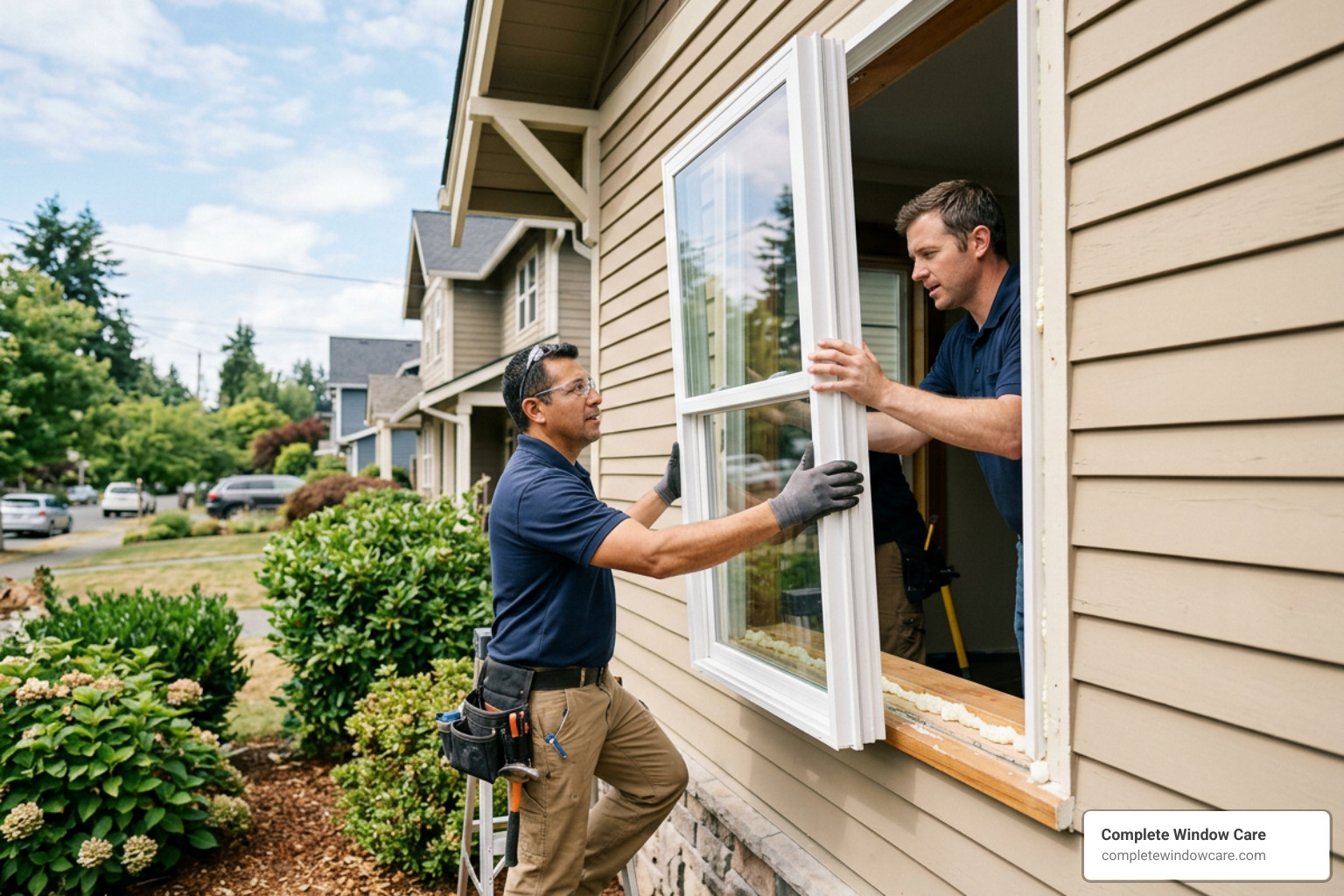
Before beginning, gather the essential tools:
- Heavy-duty work gloves and safety glasses
- Precision tape measure and 4-foot spirit level
- Cordless drill and non-corrosive installation screws
- Low-expansion window and door polyurethane foam
- High-grade exterior elastomeric sealant and caulk gun
- Flat pry bar, wood shims, and a sharp utility knife
Measuring Existing Window Openings Accurately
Accurate measurements prevent costly delays and fitting problems during installation.
- Measure width: Measure the horizontal distance between the jambs at the bottom, middle, and top of the frame. Record the smallest measurement.
- Measure height: Measure vertically from the high point of the sill to the top head jamb on the left, center, and right. Record the smallest measurement.
- Check for square: Measure diagonally from the top-left corner to the bottom-right corner, then from the top-right to the bottom-left. If the two diagonal numbers differ by more than 1/4 inch, the opening is out of square and will require shimming adjustments.
- Confirm depth: Ensure the pocket depth provides at least 3-1/4 inches of clear space between the interior and exterior stops.
Step-by-Step Window Installation and Sealing
Once your custom-sized replacement unit arrives, follow this structured installation sequence:
- Step 1: Prep the opening. Carefully remove the interior stop moldings using a stiff putty knife and pry bar. Cut the sash cords or unhook the balance springs, then remove the lower and upper sashes. For unique framing setups, our guide on replacing window glass from the outside details alternative removal techniques.
- Step 2: Inspect and clean the frame. Scrape away old caulk, dirt, and loose paint down to sound wood or vinyl. Inspect the sill and repair minor surface decay before moving forward.
- Step 3: Dry-fit the insert. Set the new window into the opening to confirm fit. Check that reveal gaps around the perimeter are even.
- Step 4: Level and secure. Insert cedar or composite shims behind the pre-drilled frame mounting holes. Level the sill, plumb the side jambs, and check that the unit is square. Fasten the unit into place using the manufacturer’s recommended screws, taking care not to over-tighten and bow the side jambs.
- Step 5: Insulate the perimeter. Apply low-expansion foam into the gap between the new window frame and the existing jambs. Avoid standard high-expansion foam, which can warp the vinyl tracks and jam the sashes.
- Step 6: Weatherproof and reinstall stops. Reinstall the interior stop beads. On the outside, apply a smooth, continuous bead of exterior-grade elastomeric sealant along the perimeter joints to block wind and water.
Common Replacement Mistakes to Avoid
Even small installation mistakes can undermine the performance of high-end windows.
- Using standard expanding foam: High-expansion formulas exert immense pressure as they cure, bowing frame tracks and preventing smooth sash operation. Always choose low-expansion formulas specifically labeled for windows and doors.
- Forcing an out-of-square fit: Screwing a window into an uneven opening without proper shimming causes operational binding, latch misalignment, and premature seal failure.
- Skipping sill preparation: Failing to clean and seal the sill surface allows trapped moisture to rot framing members beneath the new window.
- Caulking the bottom weep holes: Modern windows feature small exterior drainage slots called weep holes. Caulking over these holes traps water inside the frame, directing moisture into your home’s wall cavity.
Frequently Asked Questions About Window Replacement in Monument, CO
How do I know if my window requires total replacement or just a glass repair?
If the master frame, sill, and operating tracks are structurally solid, rot-free, and square, replacing broken or fogged insulated glass units is often sufficient. A single-window repair or replacement is often the right option when the damage is limited to one opening. Total window replacement is necessary when the affected frame is rotted, twisted, structurally unstable, or allowing water to enter the surrounding wall framing.
What causes double-pane windows to become cloudy or foggy?
Cloudiness occurs when the perimeter seal around the insulated glass unit deteriorates. As the seal fails, dry insulating gas escapes and ambient moisture penetrates the space between the panes, creating permanent internal condensation that cannot be cleaned away.
What is the primary difference between insert and full-frame replacement?
Insert replacement installs a new, fully framed window into your existing master frame without disturbing interior trim or exterior siding. Full-frame replacement removes the entire window down to the rough wall studs, allowing for flashing repairs, size adjustments, and complete trim renewal.
Can I install replacement windows during winter months in Monument, CO?
Yes. Professional crews replace windows one opening at a time while closing interior doors to minimize indoor heat loss. Using specialized cold-weather sealants and quick-set insulation allows for successful installations even during chilly mountain weather.
Why is low-expansion foam necessary around window frames?
Standard expanding polyurethane foam expands aggressively with significant force, which can bow vinyl and wood frames inward. Low-expansion foam seals air gaps effectively without exerting enough pressure to distort the jambs or bind the operating sashes.
What is Low-E glass and does it improve home comfort?
Low-E (low-emissivity) glass has a microscopically thin, transparent metallic oxide coating that reflects radiant thermal energy. It keeps heated indoor air inside during winter and blocks radiant outdoor heat during summer, reducing stress on heating and cooling equipment.
How do I properly measure a window opening for an insert unit?
Measure the interior width between side jambs at the top, middle, and bottom, then measure the height from the high point of the sill to the top head jamb on the left, center, and right. Use the smallest width and height measurements to size your new insert.
Do I need a permit for replacement windows in Monument, CO?
Like-for-like insert installations that do not alter the structural framing generally do not require a building permit. However, full-frame replacements that expand openings, alter structural headers, or modify required bedroom egress pathways typically require municipal permits and inspections.
How do seasonal freeze-thaw cycles affect window seals?
Our regional elevation experiences severe diurnal temperature shifts. These sharp fluctuations cause glass and frame materials to expand and contract continuously, placing physical stress on perimeter edge seals and eventually leading to seal failure on older units.
Can replacing my windows help reduce outdoor street noise?
Yes. Upgrading from old single-pane glass to modern double-pane or laminated insulated glass units significantly dampens outdoor sound transmission, providing a quieter indoor environment.
Conclusion
Choosing between window restoration and full replacement comes down to your home’s structural framing and long-term renovation goals. Preserving sound frames with targeted glass replacement saves time and money while keeping original trims intact. However, when wood rot or structural distortion compromises your home’s weather barrier, investing in a high-performance replacement protects your living space for years to come. In addition to window services, we also install new storm doors and are an authorized Larson and Casco dealer to help enhance your entryways.
When you need an honest, professional assessment of your window frames, glass, or door systems, turn to Complete Window Care. Contact our professional window repair technicians to schedule an inspection and find the most reliable, cost-effective solution for your home.