
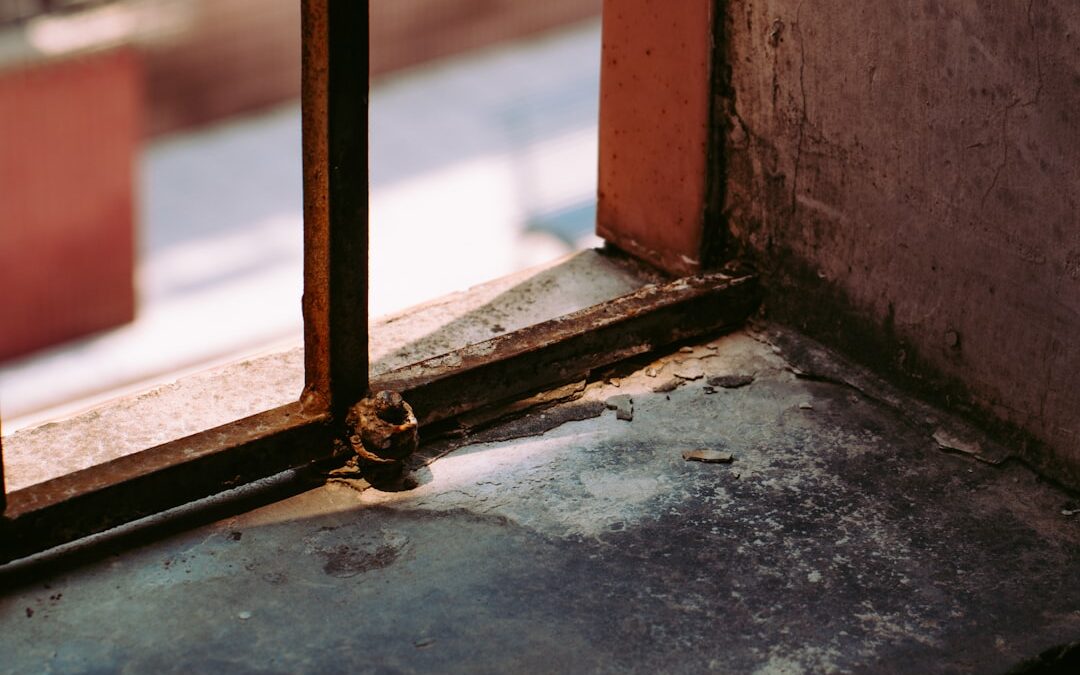
Why an Aluminum Window Frame Fix Is Worth Getting Right
An aluminum window frame fix can range from a quick sealant touch-up to a more involved repair — and knowing which type you need saves you time and money.
Quick answer: How do you fix an aluminum window frame?
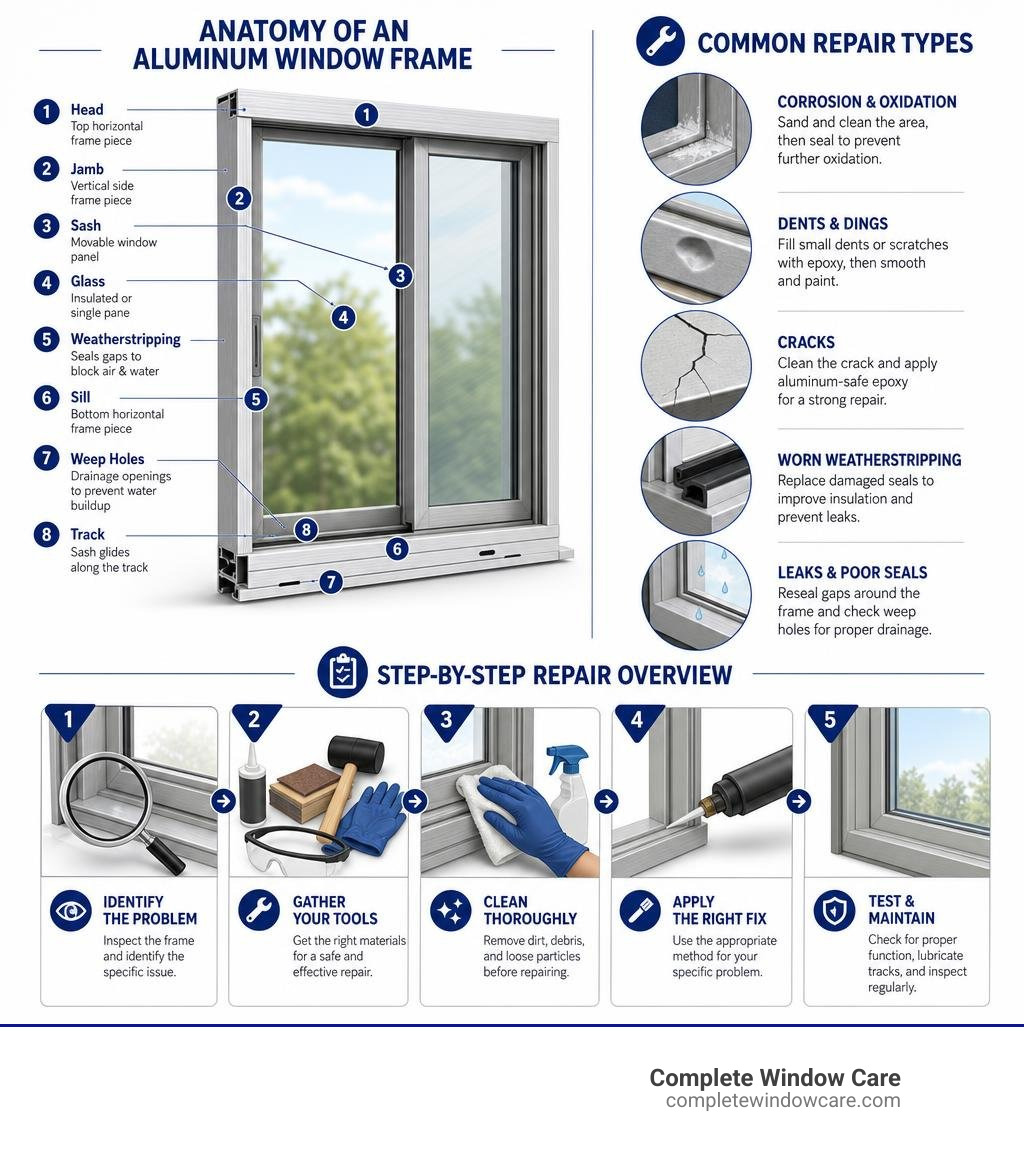
- Identify the problem — corrosion, dents, broken seals, leaks, or sliding issues
- Gather your tools — neutral-cure silicone, fine-grit sandpaper, rubber mallet, epoxy filler, and safety gear
- Clean the damaged area thoroughly before any repair
- Apply the right fix — sand and seal oxidation, use epoxy for cracks or dents, replace worn weatherstripping, or reseal around the frame perimeter
- Test and maintain — check weep holes, lubricate tracks, and inspect seals annually
Aluminum frames are tough. They resist rust, handle extreme weather, and can last decades with minimal care. But they’re not bulletproof — especially here in Colorado Springs, where hail, temperature swings, and UV exposure can take a real toll.
A sliding window that won’t budge. A foggy pane with condensation trapped inside. Water sneaking in around the frame every time it rains. These are the kinds of problems that feel urgent — especially heading into winter — but they don’t always mean you need a full replacement.
In many cases, a targeted repair is all it takes to restore your window to full function.
That said, some aluminum windows — particularly older ones — weren’t built with easy repairs in mind. As one homeowner discovered when trying to fix an 18-year-old bathroom slider, getting the sash out sometimes feels like solving a puzzle with missing pieces. Knowing what you’re dealing with upfront makes all the difference.
I’m Michael Smith, owner of Complete Window Care, and with over 18 years of hands-on experience diagnosing and repairing windows across Colorado Springs, I’ve helped hundreds of homeowners tackle exactly this kind of aluminum window frame fix without resorting to a costly full replacement. In the sections below, I’ll walk you through everything you need to know — from identifying the problem to completing the repair yourself or knowing when to call in a pro.
You may also find these related guides helpful if you’re comparing repair needs around the house:
Common Problems and When to Choose an Aluminum Window Frame Fix
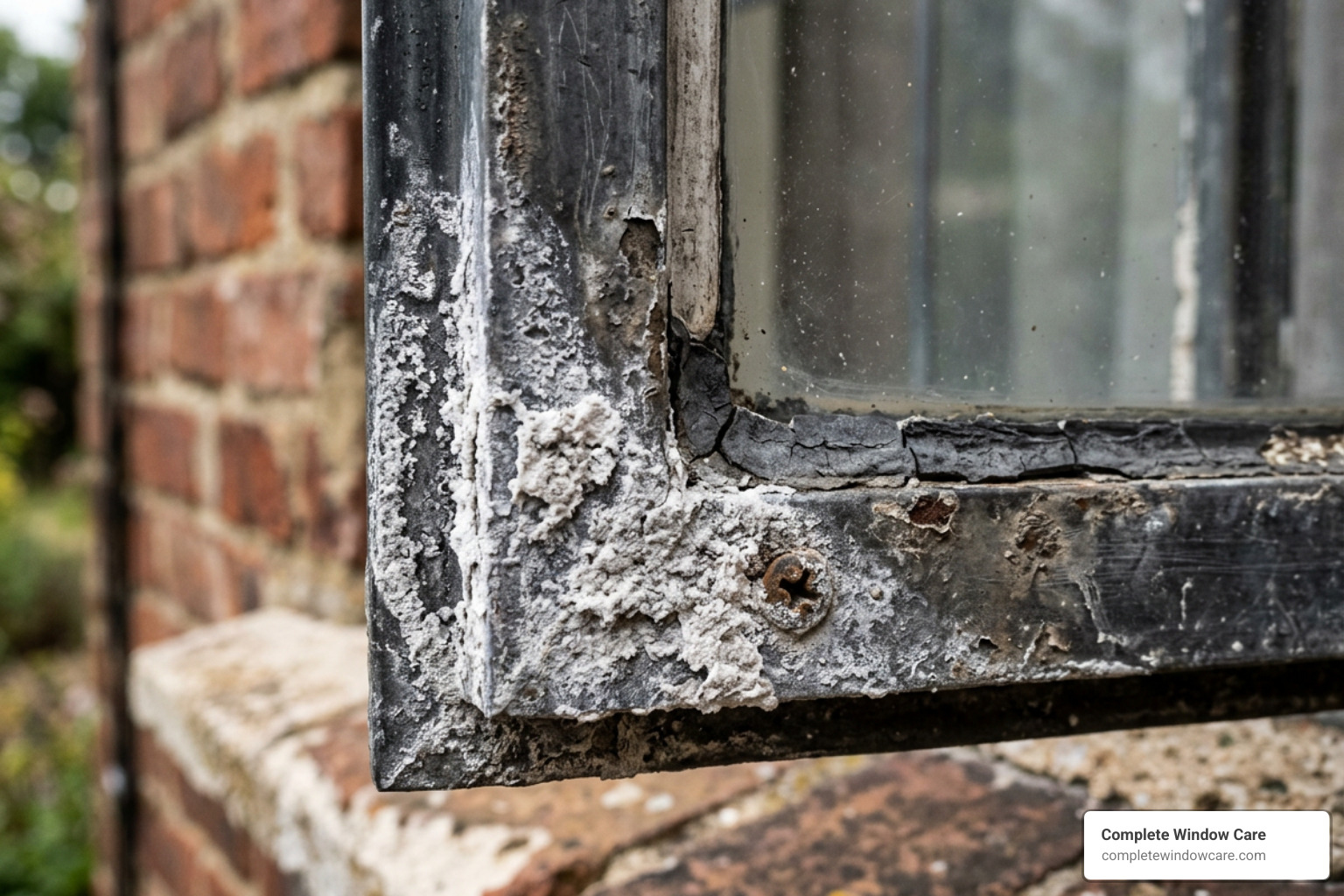
Before you break out the toolbox, it helps to understand what usually goes wrong with these sturdy metal frames. While aluminum is highly durable, it is susceptible to specific environmental stresses. In the Pikes Peak Region, our intense high-altitude sunlight and rapid temperature drops can accelerate some of these issues.
Here are the most common problems we encounter:
- Frame Corrosion (Oxidation): Unlike steel which rusts red, aluminum develops a powdery white crust when exposed to moisture and oxygen.
- Seal Failure & Condensation: When the seals around the glass or the frame joints fail, moisture creeps in. This leads to foggy double-pane glass and drafts.
- Water Leaks: Water pooling on your interior sill is often a sign that water is bypassing the exterior sealant or that your window’s built-in drainage system is blocked.
- Sliding Friction: Over time, dirt, debris, and worn-out hardware make sliding windows incredibly difficult to open or close.
To help you decide whether a DIY fix, a professional repair, or a full replacement makes the most sense for your wallet, we’ve put together this quick cost breakdown:
| Repair Type | Average DIY Cost | Average Professional Cost (CO Springs) | Full Replacement Cost |
|---|---|---|---|
| Simple Pane/Glass Repair | $40 – $100 | $150 – $300 | $400 – $1,200 |
| Seal Failure / Foggy Glass | N/A | $200 – $350 | $400 – $1,200 |
| Frame Re-caulking / Leak Fix | $20 – $50 | $100 – $250 | $500 – $1,500 |
| Balance / Hardware Swap | $30 – $80 | $120 – $250 | $400 – $1,000 |
When is an Aluminum Window Frame Fix the Best Option?
Generally speaking, opting for an aluminum window frame fix is your best bet when the structural integrity of the metal is still intact. If your window frames are straight, square, and free of massive structural cracks, repairing them will save you thousands of dollars compared to a full replacement.
Repairing is especially smart if you are dealing with localized issues like a single broken glass pane, a failed hardware balance, or degraded caulking. However, if the metal has corroded to the point where more than 30% of the frame’s cross-section is eaten away, or if the frame is severely warped from structural settling, replacement becomes the safer, more energy-efficient choice.
If you also have vinyl windows at home, our vinyl frame repair guide can help you handle those differently.
Identifying Common Aluminum Window Frame Issues
Diagnosing the exact issue is half the battle. Let’s look at how to spot the three main culprits:
- Condensation: If you see moisture or fog between your double-pane glass, your insulated glass unit (IGU) seal has failed. If you see water pooling on the metal frame itself during cold weather, that is surface condensation. Because aluminum conducts heat and cold rapidly (it has a high U-value), it acts like a cold soda can on a hot summer day, sweating when warm indoor air hits it.
- Structural Damage: Look closely at the corner joints of your frame. Are they separating? Use a level to check if the frame is square. If a 2-foot level shows a gap larger than 1/16 of an inch, or a 4-foot level shows a gap larger than 1/8 of an inch, your frame has shifted or twisted.
- Sliding Friction: If you have to use your entire body weight to slide the window open, the tracks are either packed with Colorado dust, the rollers are broken, or the spring-loaded balances inside the frame have snapped.
Essential Tools and Materials for Your Aluminum Window Frame Fix

Having the right gear on hand is the key to a smooth, stress-free repair. Working with metal and glass requires some specific safety precautions, so don’t skip the protective gear!
Before you begin, gather these essential items:
- Safety Gear: Cut-resistant gloves, safety goggles, and a dust mask.
- Surface Prep: Fine-grit sandpaper (320-grit), steel wool, wire brush, and mineral spirits.
- Sealants: High-quality neutral-cure silicone (crucial for aluminum) and closed-cell backer rod.
- Structural Repair: Two-part marine-grade epoxy or metal filler, a rubber mallet, and a scrap block of wood.
- Hardware & Screens: A utility knife, a flat-head screwdriver, replacement spline, and a splining tool.
Sourcing Hard-to-Find Replacement Parts
If you live in one of Colorado Springs’ historic neighborhoods, you might have original mid-century aluminum windows. Sourcing replacement parts for these older systems can feel like a treasure hunt. Many older manufacturers are no longer in business, and modern hardware rarely fits older tracks perfectly.
When hunting for parts, start by looking for a manufacturer’s logo or identification code stamped on the corner of the glass or inside the frame channel. If you can’t find one, your best bet is to carefully remove the broken part (like a roller or a balance) and take it to a local glass and window shop. We often keep a stock of vintage and hard-to-find hardware components specifically for older homes in the Pikes Peak Region.
Step-by-Step Guide to Common Aluminum Frame Repairs
Now that you have your tools ready and your diagnostic hat on, let’s dive into the physical repairs. We will start with a comprehensive look at how to stop water from invading your home.
How to Safely Remove and Reinstall the Window Sash
To perform most structural repairs or to replace broken balances, you must first remove the operable window sash.
Always wear your safety goggles and cut-resistant gloves during this process.
- Locate the Take-Out Clips: On single-hung windows, look inside the side tracks (jambs) for small metal or plastic take-out clips located a few inches above the sash.
- Engage the Clips: Use a flat-head screwdriver to gently pry the bottom of the clips upward and outward until they snap into an angled position.
- Raise the Sash: Raise the window sash upward until it passes the take-out clips. This action transfers the spring tension of the balances to the clips.
- Remove the Sash: Push the sash firmly to one side of the frame to compress the spring mechanism on that side, then swing the opposite side of the sash out of the frame.
- Reinstall with Care: To reinstall, reverse the process. Ensure the sash is aligned properly in the tracks before releasing the take-out clips.
Executing the Aluminum Window Frame Fix for Leaks and Dents
Once the sash is safely out of the way, you can address frame damage, dents, and leaks.
Treating Surface Corrosion (Oxidation)
If you see white, powdery spots on your frame, use fine-grit sandpaper (320-grit) or steel wool to gently sand the area down to bare, shiny metal. Wipe the area clean with mineral spirits to remove all dust and grease. Apply a protective clear coat or metal-specific primer immediately to prevent the oxidation from returning.
Straightening Minor Dents
Aluminum is relatively soft. If a stray hailstone or a misplaced ladder dented your frame, place a flat block of wood over the dent. Gently tap the wood block with a rubber mallet. The wood block distributes the force evenly, allowing you to coax the aluminum back into its original shape without cracking the metal or creating unsightly hammer marks.
Patching Cracks and Deep Pits
For small cracks or deep pits left behind by severe corrosion:
- Clean the damaged area thoroughly with mineral spirits.
- Roughen the surface inside the crack with sandpaper to help the adhesive bond.
- Mix a two-part marine-grade epoxy or specialized metal filler.
- Apply the filler to the crack, leaving it slightly proud (higher than) the surrounding frame.
- Let it cure completely (usually 24 hours).
- Sand the cured epoxy flush with the frame profile using fine sandpaper.
Repairing Aluminum Window Screens and Frames
A torn screen or a bent screen frame is a classic weekend project. Aluminum screen frames are incredibly popular because they are lightweight and won’t rot like wood.
To replace the screen mesh in an aluminum frame:
- Remove the Old Spline: Use a flat-head screwdriver or a utility knife to locate the end of the rubber spline (the vinyl cord holding the screen in the groove) and pull it out.
- Discard the Old Screen: Pull the damaged screen mesh out of the frame.
- Cut the New Mesh: Lay your new fiberglass or aluminum screen mesh over the frame, leaving about an inch of excess on all four sides.
- Roll the Mesh In: Use the convex (pointed) wheel of your splining tool to gently push the screen mesh down into the frame’s groove.
- Insert the New Spline: Starting at a corner, use the concave (grooved) wheel of your splining tool to press the rubber spline into the groove, locking the screen in place. Keep the screen taut as you work.
- Trim the Excess: Use a sharp utility knife to carefully slice away the excess screen mesh outside the spline.
For more help with screen projects, our guides to fixing aluminum frame screens and repairing window screens walk through the process in more detail.
Maintenance and Safety Considerations for Aluminum Windows
Regular maintenance is the secret to avoiding major window repairs down the road.
Keep these three best practices in mind to extend the lifespan of your windows:
- Lubrication is Key: Do not use heavy oils or WD-40 on your window tracks; these attract dirt and create a sticky, abrasive paste that ruins rollers. Instead, clean the tracks with a damp cloth and spray them with a dry silicone lubricant.
- Keep Weep Holes Clear: Aluminum windows feature small drainage slots at the bottom of the exterior frame called weep holes. If these get clogged with dirt, pine needles, or leaves, water will back up and overflow into your home. Clean them out annually with a thin wire or toothpick.
- Know Your Limits (DIY vs. Pro): While cleaning tracks, replacing screens, and sealing minor gaps are great DIY projects, some situations require professional expertise. If you have a large double-pane window with a cracked seal, or if you suspect structural damage to your home’s wall framing, it is time to call in the professionals to avoid water damage or structural safety issues.
Frequently Asked Questions about Aluminum Window Frame Repair
Can you paint aluminum window frames after repairing them?
Yes! You can absolutely paint aluminum frames to give your home a fresh look. The key is surface preparation. You must sand away all oxidation, clean the frames thoroughly with mineral spirits, and apply a high-quality metal primer. Once primed, paint the frames with an exterior-grade acrylic latex paint or a specialized metal paint.
Why is neutral-cure silicone required for aluminum frames?
Standard silicone sealants (known as acetoxy-cure silicones) release acetic acid as they cure, which smells strongly of vinegar. This acid can chemically react with and corrode aluminum. Neutral-cure silicone, on the other hand, releases non-acidic byproducts during curing, making it perfectly safe for aluminum, vinyl, and masonry.
How do I clear clogged weep holes to stop water leaks?
Locate the small rectangular slots on the exterior bottom edge of your window frame. Gently push a small piece of wire, a zip tie, or a toothpick into the hole to break up any packed dirt or debris. Pour a small cup of water into the interior track to verify that the water drains quickly and cleanly to the outside.
Conclusion
Mastering the aluminum window frame fix is an incredibly satisfying way to protect your home, boost your energy efficiency, and keep hard-earned money in your pocket. Whether you are clearing out clogged weep holes, replacing a worn-out screen, or sealing up a drafty frame, these simple steps can extend the life of your windows for years to come.
But remember, you don’t have to tackle the tough stuff alone. If you find yourself facing a stubborn leak, a foggy double-pane window, or a frame that seems completely stuck, we are here to help. At Complete Window Care, we specialize in providing honest, cost-effective repairs over full replacements for homeowners throughout Colorado Springs and the Pikes Peak Region.
Ready to get those windows working like new again? Take a look at our professional window repair services or give us a call today to schedule a consultation with our local experts!